Walk through any modern city, peek into a high-tech factory, or step into a backyard greenhouse—chances are you’ll encounter polycarbonate sheets without even realizing it. Known as the “unbreakable glass” for its 250x greater impact resistance than standard glass , this versatile thermoplastic has evolved from a niche material to a staple across industries. But with so many types (solid, multiwall, corrugated) and customizations, how do you match the right polycarbonate sheet to your specific project?
This guide dives deep into the most impactful applications of polycarbonate sheets, backed by real-world case studies, material selection tips, and insights into why it’s replacing traditional materials like glass, acrylic, and metal. Whether you’re a commercial architect, automotive engineer, or DIY gardener, you’ll discover how this material solves unique challenges in every sector.
1. Architectural & Commercial Building: Where Aesthetics Meet Durability
In architecture, polycarbonate sheets strike the perfect balance between form and function. Their lightweight nature (50% lighter than glass ) eliminates the need for overbuilt support structures, while their customizable colors and translucency create striking visual effects. Here are the standout uses:
Facades & Curtain Walls: Lightweight, Weather-Resilient Design
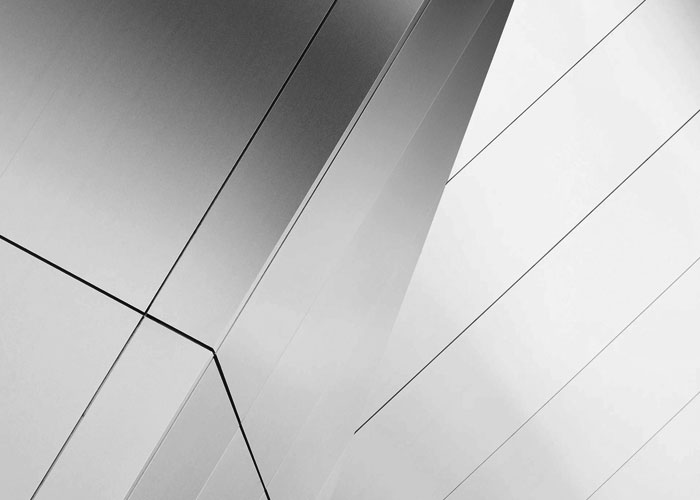
Modern architects favor polycarbonate for facades thanks to its ability to bend into complex shapes and diffuse light beautifully. The Ningbo Qinqiao Parking Garage is a prime example: its 24-meter-tall curved facade uses diffusion-type solid polycarbonate sheets, creating a 磨砂 glass-like texture while minimizing visible seams . At night, integrated lighting turns the structure into a glowing landmark—proof that polycarbonate combines durability with aesthetic appeal.
For heritage renovations, polycarbonate excels at blending old and new. The Shanghai Baoshan Renewable Energy Exhibition Hall, repurposed from a power plant, uses a full polycarbonate shell that contrasts with rusted industrial relics (pipes, hoppers) inside . The semi-transparent sheets filter sunlight to highlight the building’s history while providing weather protection.
Best Material Choice: Solid polycarbonate (10–20mm thickness) for flat facades; multiwall sheets for curved designs needing insulation. Opt for UV-coated variants to prevent yellowing over 10–20 years .
Skylights & Atriums: Bright, Energy-Efficient Spaces
Sports stadiums and commercial malls rely on polycarbonate skylights to flood interiors with natural light without sacrificing safety. The Tianjin Olympic Center Stadium—a 2008 Beijing Olympics venue—uses inner-ring solid polycarbonate sheets in its “water drop” roof design . These sheets withstand hailstorms and high winds while transmitting 89% of sunlight , reducing artificial lighting costs by 40%.
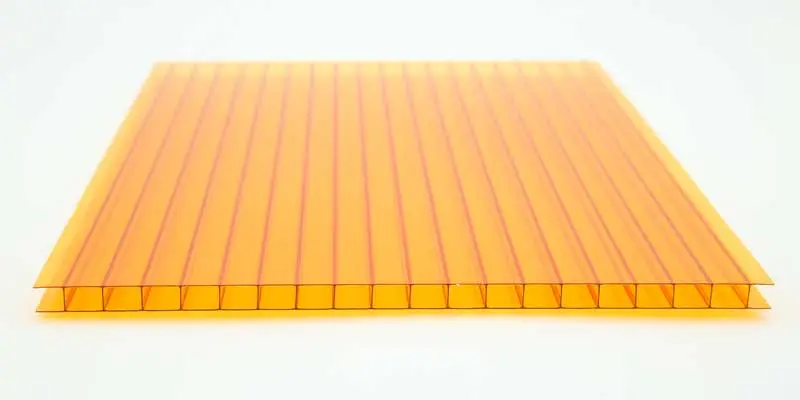
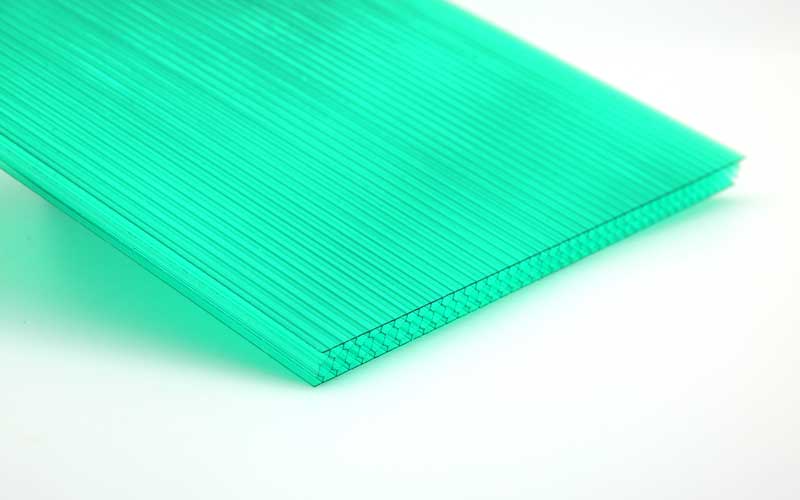
For energy-conscious projects, multiwall polycarbonate is non-negotiable. Its hollow channels trap air, delivering an R-value of 1.5–3.0 (25% higher than glass ). The Su Shanghai Community Art Museum chose multiwall “sun sheets” for its atrium, cutting installation time by 30% and staying within budget—critical for a community-focused project .
Pro Tip: Use triple-wall polycarbonate for cold climates; its enhanced insulation keeps atriums warm in -40℃ winters .
Sound Barriers: Quieting Busy Environments
Highways and urban developments turn to polycarbonate for noise control. Its dense structure offers 15–20dB better sound insulation than glass , making it the top choice for highway barriers. The material’s weather resistance (stable from -40℃ to 120℃ ) ensures it performs in rain, snow, and extreme heat without cracking.
2. Automotive & Transportation: Safety Meets Innovation
The automotive industry values polycarbonate for its strength-to-weight ratio, a key factor in improving fuel efficiency. Here’s how it’s revolutionizing vehicles and infrastructure:
Vehicle Components: Lightweight, Shatterproof Parts
Modern cars increasingly use polycarbonate for headlight covers and sunroofs. Unlike glass, it resists stone chips and doesn’t shatter in collisions—critical for driver safety. Luxury electric vehicles (EVs) go further: some models use tinted multiwall polycarbonate for roofs, reducing cabin heat by 25% via infrared-blocking additives while cutting vehicle weight by 15kg.
Charging Stations & Transit Shelters: Weather-Resilient Protection
EV charging stations demand materials that withstand vandalism and extreme weather. Corrugated polycarbonate sheets shield charging units from rain and hail, while their UV coating prevents discoloration . Similarly, bus shelters in coastal areas use marine-grade polycarbonate to resist saltwater corrosion—a problem that plagues metal and glass structures.
Best Material Choice: Solid polycarbonate (3–8mm) for vehicle parts; corrugated sheets for transit shelters (easy to install and replace).
3. Agriculture & Horticulture: Growing Better, Saving More
Polycarbonate sheets have transformed agriculture by creating optimal growing environments. Their unique properties address two key challenges: regulating temperature and protecting crops from harsh elements.
Greenhouses: Insulation + UV Protection for Year-Round Growth
Multiwall polycarbonate is the gold standard for greenhouses. Its hollow channels maintain consistent temperatures (critical for tropical plants in cold climates) while blocking 99% of harmful UV rays —ensuring plants thrive without leaf burn. A 10x20ft greenhouse using triple-wall polycarbonate reduces heating costs by 30% compared to glass .
The Chengdu Qinglonghu Floating Seed Pavilion takes this further: polycarbonate sheets cover its agricultural education space, diffusing sunlight to mimic natural growing conditions while withstanding Sichuan’s heavy rains .
Cold Frames & Crop Covers: Extending Growing Seasons
Home gardeners and small-scale farmers use corrugated polycarbonate for cold frames. Its lightweight design makes it easy to lift for ventilation, and its impact resistance stands up to falling branches. Unlike plastic sheeting, it lasts 10+ years and won’t tear in windstorms.
Pro Tip: Choose clear multiwall sheets for maximum light transmission; opt for opal-white variants to reduce glare in hot climates.
4. Industrial & Manufacturing: Safety First, Efficiency Always
In factories and warehouses, polycarbonate sheets solve two critical problems: protecting workers and optimizing operations.
Machine Guards & Safety Barriers
Manufacturing floors rely on solid polycarbonate sheets for machine guards. Their 30x greater impact resistance than acrylic means they withstand flying debris from grinders or presses, while their transparency lets supervisors monitor operations without removing barriers. Food processing plants prefer food-grade polycarbonate, which is easy to sanitize and resists chemical corrosion.
Lighting Enclosures & Equipment Covers
LED manufacturers use polycarbonate for light diffusers and outdoor fixtures. Its flame-retardant rating (B1 级,离火自熄) makes it safe for industrial lighting, while its UV coating prevents yellowing that dims light output. For outdoor equipment (like solar panels), corrugated polycarbonate covers shield electronics from rain and dust without blocking sunlight.
5. Residential & DIY: Affordable, Durable Home Upgrades
Homeowners are embracing polycarbonate for projects where glass is too heavy or acrylic too fragile. Here are the most popular uses:
Patio Covers & Pool Enclosures
A corrugated polycarbonate patio cover lets in 80% of sunlight while blocking rain and UV rays—perfect for outdoor dining. For pools, multiwall polycarbonate enclosures extend swimming seasons by trapping heat (R-value 2.5) and preventing leaves from clogging filters. Unlike glass, they won’t shatter if a child accidentally hits them.
Garden Sheds & Greenhouses
DIYers love corrugated polycarbonate for shed roofing: it installs in hours with basic tools, weighs just 15lbs per 4x8ft sheet , and resists rot (unlike wood). Backyard greenhouses use twin-wall polycarbonate to maintain 70–80°F temperatures year-round, even in northern climates.
Interior Partitions & Shower Walls
Textured polycarbonate sheets add privacy to office or home partitions while diffusing light. For bathrooms, they’re a game-changer: waterproof, mold-resistant, and easier to install than glass shower doors. Choose frosted variants for privacy or colored sheets to match decor.
How to Choose the Right Polycarbonate Sheet for Your Project
With so many options, selection boils down to three factors: application, environment, and budget. Use this quick reference:
| Application | Recommended Type | Key Features Needed |
| Facades/Curtain Walls | Solid/Diffusion Polycarbonate | UV coating, custom color, flexibility |
| Greenhouses/Atriums | Multiwall (Twin/Triple) | Insulation (R-value ≥2.0), UV protection |
| Vehicle Parts | Solid Polycarbonate | Impact resistance, heat stability |
| Machine Guards | Solid Polycarbonate (5–10mm) | Shatterproof, transparency |
| Patio Covers | Corrugated Polycarbonate | Lightweight, weather resistance |
Pro Insight: Always verify the UV coating direction—most sheets have one UV-protected side (install facing sunlight to prevent yellowing ).
Why Polycarbonate Sheets Are the Future of Materials
The numbers tell the story: global demand for polycarbonate sheets is projected to reach 492,000 tons by 2024 , driven by growth in green building, automotive, and electronics. It’s not just about strength or cost—it’s about solving problems traditional materials can’t:
- Energy Efficiency: Multiwall sheets cut heating/cooling costs by 25–30%
- Sustainability: 100% recyclable and lasts 15–20 years (twice as long as acrylic )
- Versatility: Customizable to 50+ colors and textures , from opaque to fully transparent
From Olympic stadiums to backyard gardens, polycarbonate sheets prove that when a material combines durability, flexibility, and beauty, it doesn’t just enhance projects—it redefines them.