Windows are more than just openings in a building—they shape natural light, insulation, security, and durability. For decades, glass has been the go-to material for windows, but polycarbonate sheet is rapidly gaining traction as a versatile alternative. But is it the right choice for your project?
Whether you’re building a home extension, a greenhouse, a commercial storefront, or a DIY shed, this guide breaks down everything you need to know: the pros and cons of polycarbonate windows, how it compares to glass and acrylic, ideal use cases, and key considerations for installation. By the end, you’ll have a clear answer to: Is polycarbonate sheet good for windows?
What Is Polycarbonate Sheet? A Quick Overview
Before diving into its suitability for windows, let’s clarify what polycarbonate is. Polycarbonate is a thermoplastic polymer known for its exceptional strength, impact resistance, and flexibility. Unlike brittle glass, it’s shatterproof—able to withstand extreme force without breaking into dangerous shards.
For windows, polycarbonate sheets are typically sold in two main forms:
- Solid polycarbonate: Thick, rigid sheets (2-25mm) ideal for high-security or high-impact areas.
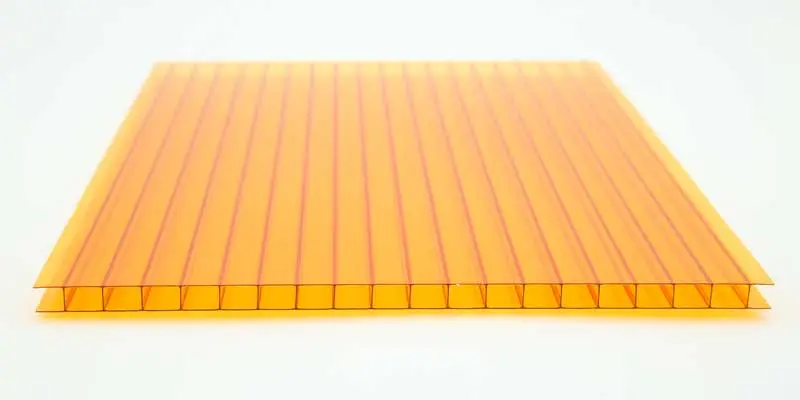
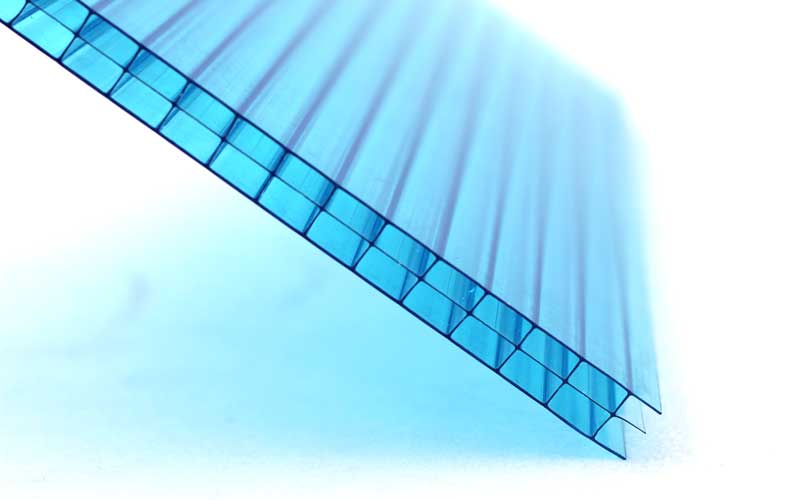
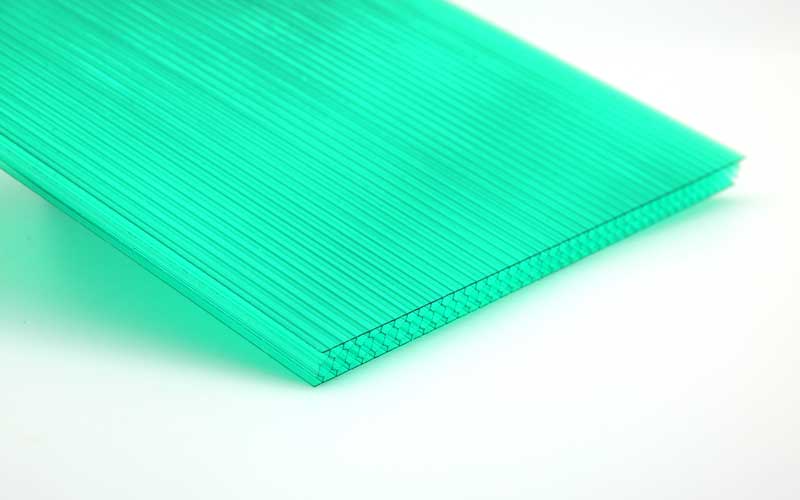
- Hollow polycarbonate (multiwall): Lightweight sheets with internal air pockets (e.g., 2-wall, 3-wall) that boost insulation.
Both types come in clear, tinted, or frosted finishes—making them adaptable to different aesthetic and functional needs.
The Pros: Why Polycarbonate Sheet Is Great for Windows
Polycarbonate’s unique properties address many of the pain points of traditional window materials (glass, acrylic, wood). Here’s why it stands out:
1. Unmatched Impact Resistance (Shatterproof)
The biggest advantage of polycarbonate is its strength: it’s 250x stronger than glass and 30x stronger than acrylic. Unlike glass, which shatters into sharp shards when hit (by hail, debris, or accidental impact), polycarbonate bends or dents but rarely breaks.
- Safety: Ideal for homes with kids/pets, schools, or areas prone to storms (hail, high winds). No risk of dangerous shards in case of damage.
- Durability: Withstands accidental impacts (e.g., a ball hitting a greenhouse window) without needing replacement.
2. Lightweight (Easy to Install & Transport)
Polycarbonate is 50% lighter than glass of the same thickness. This makes it:
- Cost-effective: Lighter weight reduces shipping costs and eliminates the need for heavy-duty framing (glass often requires reinforced steel or wood frames to support its weight).
- DIY-friendly: Easy to carry and install alone—no need for a team of contractors. Perfect for small projects like shed windows or greenhouse panels.
3. Excellent Insulation (Energy Efficiency)
Hollow (multiwall) polycarbonate sheets are designed for insulation. The air pockets between the layers act as a thermal barrier, reducing heat transfer in both summer and winter:
- Winter: Traps heat inside, lowering heating bills.
- Summer: Blocks solar heat gain, keeping interiors cool.
In fact, multiwall polycarbonate has a U-value (insulation rating) of 1.8-2.8 W/m²K—comparable to double-glazed glass (1.2-2.0 W/m²K) but at a lower cost. For cold climates, 3-wall or 4-wall polycarbonate offers even better insulation.
4. UV Protection (Fade Resistance)
Most polycarbonate sheets come with a UV-resistant coating (on one or both sides). This coating blocks 99% of harmful UV rays, which:
- Protects interiors: Prevents furniture, flooring, and fabrics from fading over time (glass only blocks some UV rays, while uncoated acrylic yellows and degrades in sunlight).
- Protects the sheet: Stops the polycarbonate itself from becoming brittle or discolored after years of sun exposure.
5. Weather Resistance (All-Season Durability)
Polycarbonate holds up to extreme weather conditions that damage other materials:
- Extreme temperatures: Withstands -40°C (-40°F) to 120°C (248°F) without cracking or warping (glass can crack from temperature swings, and wood rots in moisture).
- Moisture & corrosion: Impervious to rain, humidity, and saltwater—ideal for coastal homes or greenhouses (where condensation is common).
- Wind & hail: Rated to withstand high winds (up to 120 mph) and large hail (up to 2 inches) without damage.
6. Versatility (Customizable & Adaptable)
Polycarbonate is easy to cut, shape, and install—making it suitable for all types of windows:
- Sizes: Available in large sheets (up to 10ft x 20ft) to cover wide openings (e.g., skylights, patio doors) without seams.
- Shapes: Can be bent into curved or 拱形 (arched) windows (glass requires specialized, expensive bending).
- Finishes: Clear (for maximum light), tinted (for privacy or sun control), frosted (for diffused light), or colored (for design flair).
The Cons: When Polycarbonate Might Not Be Ideal
While polycarbonate is excellent for many windows, it’s not a one-size-fits-all solution. Here are its limitations to consider:
1. Scratch-Prone (Without Protection)
Polycarbonate is softer than glass—unprotected surfaces can scratch easily (e.g., from cleaning with abrasive cloths or accidental contact with tools). However, most window-grade polycarbonate comes with a scratch-resistant (SR) coating that mitigates this issue. Even with SR coating, it’s less scratch-resistant than glass.
2. Can Yellow Over Time (Without UV Coating)
Uncoated polycarbonate yellows and loses clarity when exposed to sunlight for years. But UV-stabilized polycarbonate (standard for window use) resists yellowing for 10-15 years (some high-end brands last 20+ years). Always choose UV-coated sheets for outdoor windows.
3. Less Rigid Than Glass
Polycarbonate is slightly flexible, even in thick sheets. For very large, unsupported windows (e.g., floor-to-ceiling glass walls), it may sag over time. This can be fixed with proper framing (e.g., adding support bars), but it’s an extra step.
4. Not as Clear as Optical Glass
While clear polycarbonate is “transparent,” it has slightly more haze than high-quality optical glass (used in premium home windows). For projects where absolute crystal clarity is critical (e.g., luxury home facades), glass may still be preferable. However, the difference is minimal for most residential or commercial uses.
5. Higher Cost Than Acrylic (But Cheaper Than Glass)
Polycarbonate costs more than acrylic (another plastic window material) but is often cheaper than double-glazed glass—especially for large windows. The upfront cost is offset by lower installation and maintenance costs, but it’s still a consideration for tight budgets.
Polycarbonate vs. Traditional Window Materials: A Head-to-Head Comparison
To help you decide, here’s how polycarbonate stacks up against the most common window materials:
| Feature | Polycarbonate Sheet | Glass (Single/Double-Glazed) | Acrylic (Plexiglass) |
| Impact Resistance | Excellent (shatterproof) | Poor (shatters into shards) | Good (breaks into large pieces) |
| Weight | Light (50% lighter than glass) | Heavy (requires reinforced framing) | Light (similar to polycarbonate) |
| Insulation (U-value) | 1.8-2.8 (multiwall) | 1.2-2.0 (double-glazed) | 3.0-3.5 (single sheet) |
| UV Protection | Excellent (with coating) | Moderate (blocks some UV) | Poor (yellows over time) |
| Scratch Resistance | Good (with SR coating) | Excellent | Poor |
| Cost (per sq. ft) | \(2-\)8 (depending on type) | \(5-\)15 (double-glazed) | \(1-\)5 |
| Lifespan | 10-20 years | 20-50 years | 5-10 years |
Ideal Use Cases: Where Polycarbonate Windows Shine
Polycarbonate’s strengths make it perfect for specific applications. Here are the scenarios where it’s a better choice than glass:
1. Greenhouses & Garden Sheds
Greenhouses need windows that let in light, insulate well, and withstand hail/wind. Polycarbonate (especially multiwall) checks all boxes:
- Lets in 90% of natural light (clear sheets) for plant growth.
- Insulates to keep temperatures stable (critical for seedlings).
- Shatterproof—no risk of hail breaking panels and damaging plants.
2. Skylights & Roof Windows
Skylights are prone to impact (e.g., falling branches, hail) and need to be lightweight (to avoid stressing the roof). Polycarbonate:
- Is lightweight, so it doesn’t require heavy roof reinforcement.
- Is shatterproof—safer than glass (which can fall through the roof if broken).
- Multiwall polycarbonate insulates better than single-glazed glass, reducing heat loss in winter.
3. Sheds, Garages, & Outbuildings
Outbuildings often need affordable, durable windows that don’t require professional installation. Polycarbonate:
- Is cheap and easy to cut/install (DIY-friendly).
- Withstands moisture and temperature swings (no rotting or cracking).
- Tinted or frosted sheets offer privacy without blocking light.
4. High-Security Areas
For windows that need to resist break-ins (e.g., storefronts, basements, or homes in high-crime areas), solid polycarbonate is ideal:
- It’s nearly impossible to break with brute force (e.g., a crowbar or rock).
- Some brands are bullet-resistant (used in banks or government buildings).
5. Temporary or Portable Structures
Polycarbonate is perfect for temporary windows (e.g., construction site offices, pop-up shops) because it’s lightweight, durable, and easy to remove/reuse.
Key Considerations for Installing Polycarbonate Windows
To get the most out of polycarbonate windows, follow these installation tips:
1. Choose the Right Thickness
- Thin sheets (2-4mm): Good for small windows (sheds, greenhouses) where weight is a priority.
- Thick sheets (6-25mm): Better for large windows (skylights, storefronts) or high-wind areas—they offer more rigidity and impact resistance.
2. Use Proper Framing
Polycarbonate expands and contracts with temperature changes (more than glass). Use frames with:
- Clearance: Leave 1/4-1/2 inch of space around the sheet to allow for expansion (otherwise, the sheet may warp or crack).
- Non-abrasive materials: Use aluminum, vinyl, or wood frames with rubber gaskets—avoid metal frames that can scratch the sheet or conduct heat.
3. Install with Correct Fasteners
- Use plastic or rubber-coated screws (metal screws can scratch the sheet or cause corrosion).
- Don’t over-tighten screws—leave a small gap to let the sheet move with temperature changes.
4. Clean & Maintain Properly
- Clean with a soft microfiber cloth and mild soapy water (avoid abrasive cleaners, steel wool, or scrapers—they’ll scratch the sheet).
- Reapply UV coating every 5-10 years (for older sheets) to prevent yellowing.
FAQ: Polycarbonate Sheet for Windows
Q: Is polycarbonate window sheet soundproof?
A: It’s better than single-glazed glass but not as good as double-glazed glass. Multiwall polycarbonate (with air pockets) reduces noise transmission by 20-30%—good for moderate noise (e.g., street traffic) but not for loud areas (e.g., near airports). For better soundproofing, layer two polycarbonate sheets with an air gap.
Q: Can polycarbonate windows be painted?
A: Yes, but use acrylic latex paint (for plastic) and clean the sheet thoroughly first. Avoid oil-based paints—they can damage the polycarbonate. Note that painting will reduce light transmission and may void the manufacturer’s warranty.
Q: How long do polycarbonate windows last?
A: UV-stabilized, scratch-resistant polycarbonate windows last 10-20 years with proper maintenance. Uncoated sheets may last only 5-7 years (due to yellowing).
Q: Are polycarbonate windows flammable?
A: Polycarbonate is fire-resistant (rated UL94 V2, meaning it self-extinguishes when the flame is removed) but not fireproof. It melts at high temperatures (260°C/500°F) but doesn’t release toxic fumes (unlike some plastics).
Q: Is polycarbonate cheaper than glass for windows?
A: Yes, for most cases. Single-layer polycarbonate costs 30-50% less than double-glazed glass. Even multiwall polycarbonate (with better insulation) is cheaper than triple-glazed glass. Plus, lower installation costs (no heavy framing) add to the savings.
Final Verdict: Is Polycarbonate Sheet Good for Windows?
Yes—polycarbonate sheet is an excellent choice for windows in most residential, commercial, and DIY projects—especially if you prioritize durability, safety, insulation, and affordability. It’s not perfect (it’s less scratch-resistant than glass and slightly less clear), but its strengths far outweigh its weaknesses for most use cases.
- Choose polycarbonate if: You need shatterproof, lightweight, insulated windows (greenhouses, skylights, sheds, high-security areas).
- Stick with glass if: You want absolute crystal clarity, maximum scratch resistance, or a luxury aesthetic (e.g., high-end home facades).
If you’re ready to upgrade to polycarbonate windows, explore our window-grade polycarbonate sheet collection—available in solid, multiwall, tinted, and scratch-resistant options. Contact our team for a free quote or help choosing the right sheet for your project!
Recommended Images (For SEO & User Experience)
Insert these images with ALT text (including keywords like “polycarbonate sheet for windows” and “polycarbonate vs glass windows”) to boost Google ranking and engagement:
- Polycarbonate Window Types Graphic: A labeled image of solid vs. multiwall polycarbonate sheets, with the ALT text: “Solid vs multiwall polycarbonate sheets for windows.”
- Impact Test Image: A photo of a polycarbonate sheet with a hailstone next to it (no damage) vs. a cracked glass sheet. ALT text: “Shatterproof polycarbonate window sheet vs glass: impact resistance test.”
- Greenhouse Window Image: A greenhouse with clear multiwall polycarbonate windows, showing light transmission. ALT text: “Polycarbonate windows for greenhouse: durable and light-filled.”
- Skylight Installation Image: A worker installing a polycarbonate skylight on a roof (lightweight, easy to handle). ALT text: “Installing polycarbonate skylight: lightweight and DIY-friendly.”
- Material Comparison Chart Image: A visual version of the “Polycarbonate vs. Traditional Materials” table (easy to scan). ALT text: “Polycarbonate vs glass vs acrylic: window material comparison.”
- Finished Polycarbonate Window Image: A close-up of a tinted polycarbonate window on a shed, showing clarity and finish. ALT text: “Tinted polycarbonate window for shed: privacy and durability.”