
Frosted PC Sheet
Easily Fabricable Frosted PC – For Architecture & Furniture
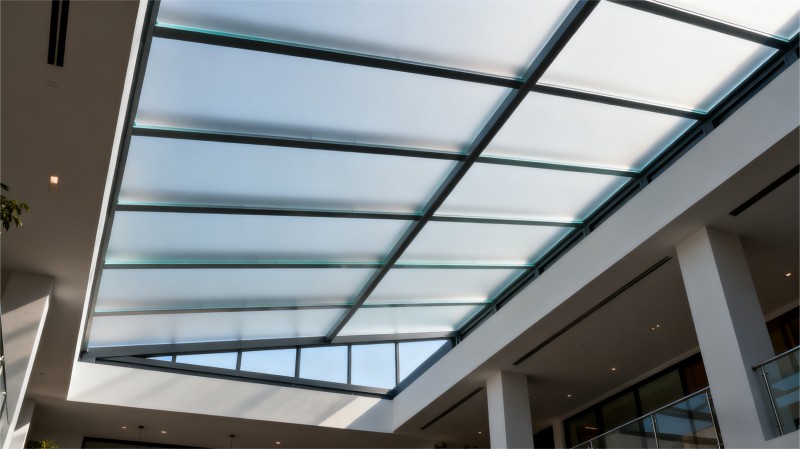
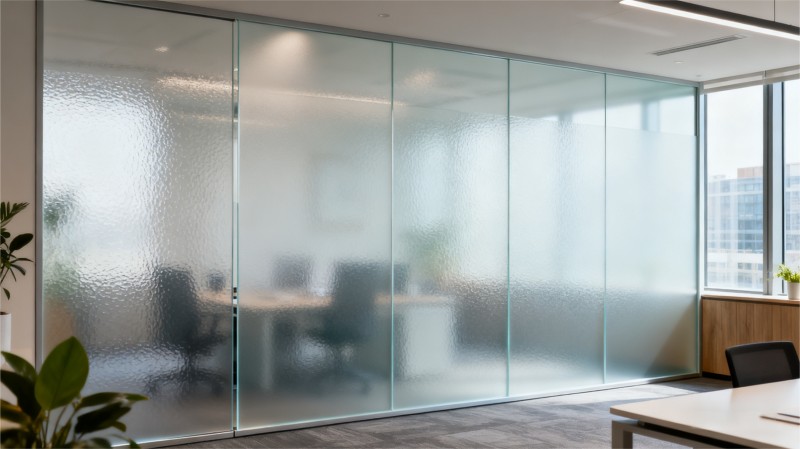
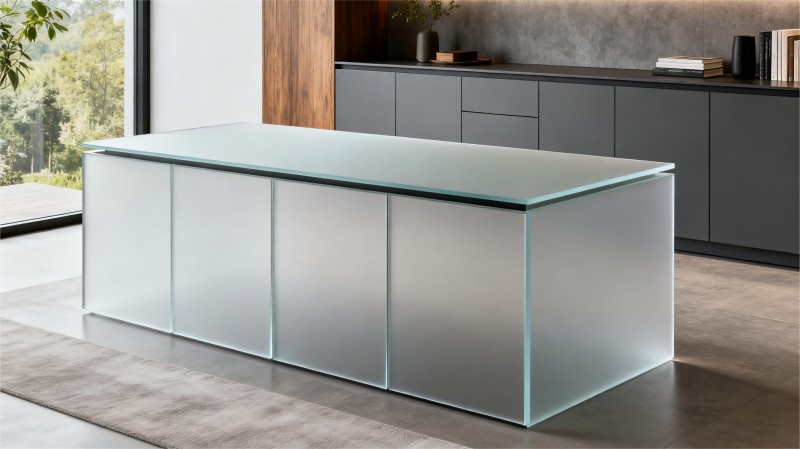
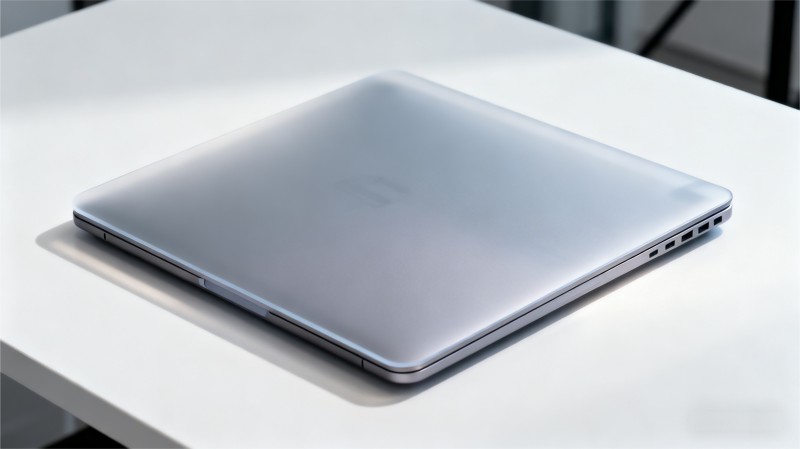
Frosted Polycarbonate is a high-performance thermoplastic with a matte, non-glossy surface. It boasts exceptional impact resistance—250 times that of ordinary glass—while maintaining light transmittance (typically 50%-80%), balancing privacy and brightness. UV-resistant variants prevent yellowing and degradation outdoors, making it suitable for skylights, room dividers, and signage. It’s easy to cut, bend, and fabricate, widely used in architecture, electronics, and furniture for its blend of durability, aesthetics, and versatility.
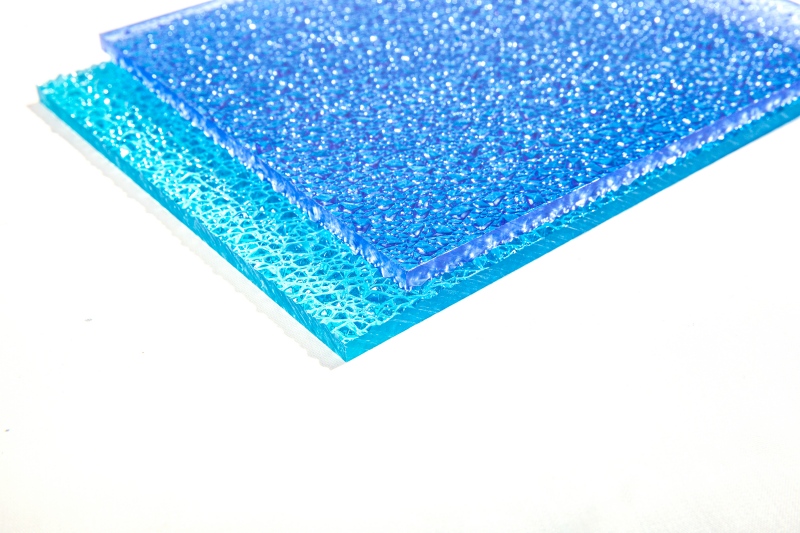
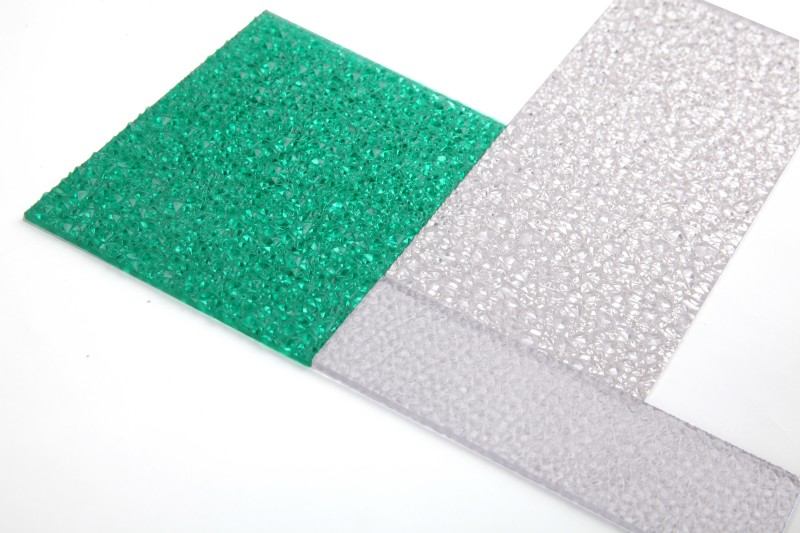
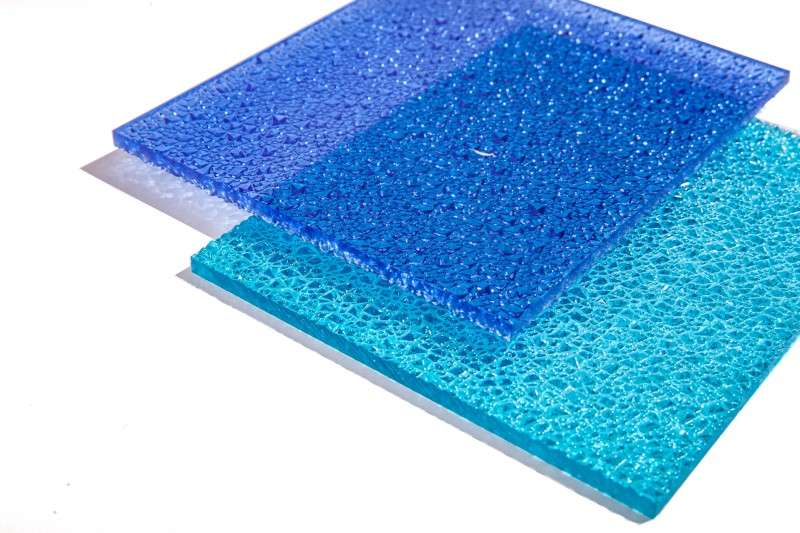
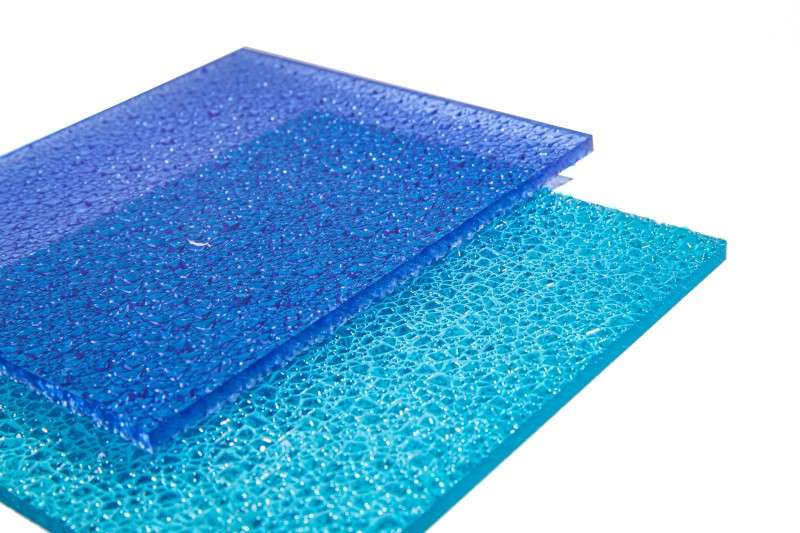
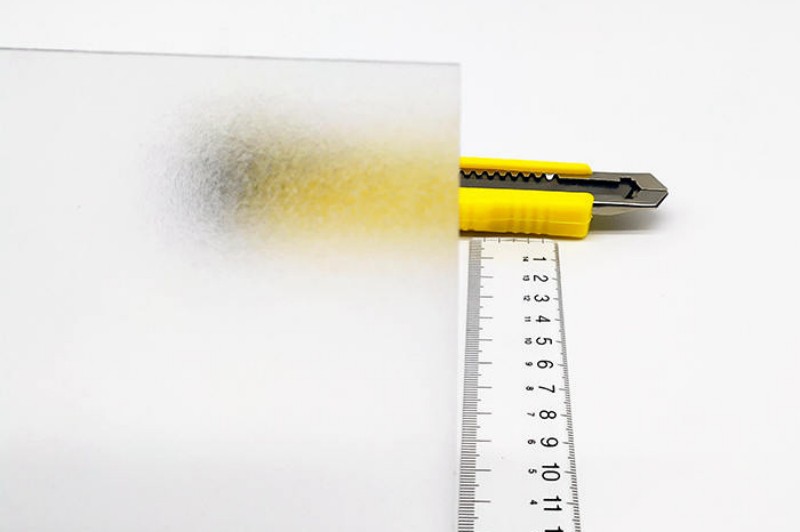
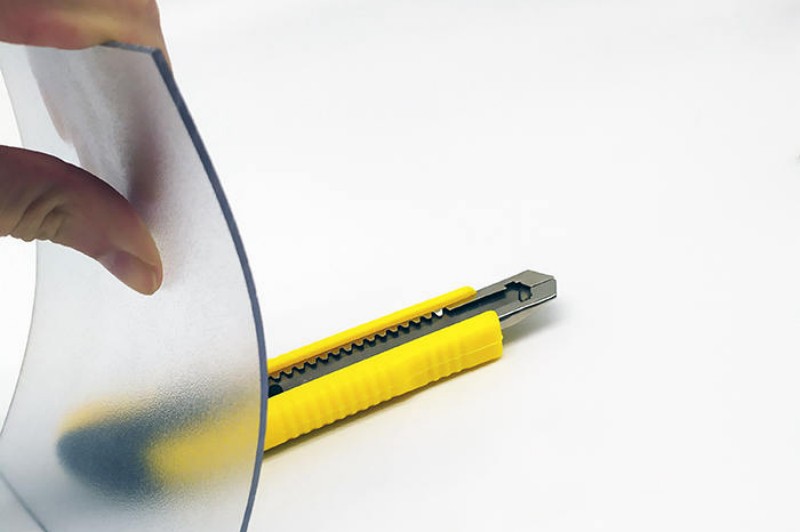
Frosted Polycarbonate Sheet
- Exceptional impact resistance: Strength is 250 times that of ordinary glass, making it less prone to breakage and suitable for scenarios requiring high durability.
- Balanced light transmittance and privacy: Maintains 50%-80% light transmittance to ensure sufficient brightness, while the frosted surface effectively blocks direct viewing and protects privacy.
- UV-resistant (for specific variants): Special UV-resistant models can prevent yellowing, aging and performance degradation when used outdoors for a long time.
- Easy processing: Can be easily cut, bent, drilled and shaped, adapting to various personalized design needs of different projects.
- Wide application scope: Applicable to skylights, room dividers, signage, furniture panels, electronic product casings and other fields in architecture, electronics and furniture industries.
Product Details
| Name | Frosted Polycarbonate Sheets |
| Raw material | 100% bayer material or sabic material or customized |
| Color | Transparent、clear or customized |
| Certificate | ISO9001、SGS、Test Report |
| Thickness | 1.1-12mm or Customized |
| Width | 1.22m、1.56m、1.82m、2.10m, The maximum width can be made 2.1 m special width, large quantity can be customized |
| length | 2.44m or custom-made, the flat plate is: 1.22m*2.44m |
| Warranty | 10-Year |
| Surface | UV protection, Anti-fog,Anti-static,hardening,fire retandant,etc. |
| Samples | Free samples will send you for test |
| Application | Tunnel protection, Noise barriers, special machinery covers, Greenhouses, Carports, Skylights |
| Light Transmission | Depending on the color, the transmittance can be up to 0-60%. | |
| Energy saving | Low heat transfer coefficient (K value), good thermal insulation, energy saving is 1.5-1.7 times of the same thickness of glass. | |
| Light | The weight is 1/2 of the same thickness of glass. | |
| Impact Strength | Good toughness, not easy to be damaged in transportation, installation and use;Its impact strength is 250 times that of glass and 30 times that of plexiglass. | |
| Resistance to aging | The surface of the product contains a UV-resistant coextruded layer, outdoor weather resistance is good, long-term use still maintain good optical properties and mechanical properties | |
| Resistance to wind pressure | Wind pressure performance up to the national standard GB/T 7106-2008 level 1. | |
| Large temperature difference | Long-term use temperature: -40c to 120C. | |
| Effect of Soundproof | Polycarbonate with hollow structure has good sound insulation and can effectively reduce noise 20-30 decibels. | |
| Flame retardant | According to the national standard gb8624-2012 is class B1 flammable. | |
| Easy to install | The minimum bending radius is 175 times the thickness of the plate. | |
| Features | Unit | Date |
| Specific Gravity | g/cm² | 1.2 |
| LightTransmission | % | 0~88 |
| lmpactStrength | J/m | 850 |
| The Bending Strength | N/mm² | 100 |
| Tensile Strength | N/mm² | >=60 |
| Modulus of Elasticity | M pa | 2400 |
| Tensile Stressat Break | M pa | >=65 |
| Elongation at Break | % | >100 |
| Specific Heat | KJ/KG·K | 1.17 |
| Heat Conductivity | W/m²·K | 0.2 |
| Heat Deflection Temperature | °C | 140 |
| Coefficient of Thermal Expansion | mm/m·°C | 0.067 |
| Range of Temperature | °C | -40~+120 |
| Effect of Soundproof | 10mm PC sheet | Attenuation 33 DB |
FROSTED PC SHEET is a functional sheet made from high-quality polycarbonate resin through special processing technology. Its surface presents a delicate and uniform frosted texture with a smooth touch. It not only inherits the super toughness and impact resistance advantages of PC material itself but also realizes the soft diffusion of light and efficient protection of privacy through unique matte treatment. This product combines light transmittance and shielding performance, and can be widely used in various fields such as architectural decoration (e.g., partitions, ceilings, curtain walls), advertising display (e.g., light box panels, display stands), electronic appliances (e.g., equipment protective covers, display screen covers), household products (e.g., bathroom partitions, cabinet door panels), etc. It can not only create a simple, fashionable, and textured visual effect for the space but also meet the safety and practical needs in different scenarios with its excellent weather resistance, flame retardancy, environmental protection, and other characteristics. It is an ideal sheet choice that integrates aesthetics and functionality.
Frosted polycarbonate is widely used for skylights, privacy screens, machine guards, decorative panels, light diffusers, and safety glazing due to its durability, light transmission, and aesthetic appeal.
Reliable Quality: We use advanced production equipment and a strict quality‑control system.
Large Capacity: Eight production lines give an annual output of 50 000 tons.
Proven Experience: We have more than twenty years of manufacturing and export history.
Responsive Service: Dedicated staff reply quickly and follow each order through delivery.
Warranty: We provide a five‑ to ten‑year product warranty.
Performance: Our sheets offer high impact resistance, good bendability, high light transmission, self‑extinguishing fire performance, low weight, sound insulation, anti‑drip surfaces, UV blocking, energy savings, and recyclability.
Frequently Asked Questions
Q: What are the main preparation processes of frosted polycarbonate sheets, and how do the physical sandblasting method and chemical etching method differ in terms of surface roughness uniformity and mechanical property retention?
A: The main preparation processes include physical sandblasting, chemical etching, and extrusion with matte masterbatch. For physical sandblasting, high-pressure sand particles (e.g., alumina) impact the PC sheet surface to form a frosted texture; its surface roughness (Ra) variation is ±0.2 μm, but the impact may cause a 5-8% decrease in the sheet’s impact strength. Chemical etching uses acidic solutions (e.g., mixed sulfuric and nitric acids) to corrode the PC surface; the Ra variation is only ±0.05 μm, with better uniformity, and the mechanical properties are almost unchanged (impact strength loss <2%) because there is no physical damage to the internal structure. Extrusion with matte masterbatch has lower cost but poorer surface wear resistance compared to the above two methods.
Q: How to characterize the frosted effect of frosted polycarbonate sheets, and what are the relationships between key parameters such as haze, glossiness, and surface roughness (Ra) and the actual application scenarios (e.g., lighting covers, partition panels)?
A: The frosted effect is mainly characterized by three parameters: ① Haze (ASTM D1003): The percentage of scattered light, generally 60-95% for frosted PC sheets; ② Glossiness (ASTM D523): The reflectivity at a 60° angle, usually 5-30 GU (gloss units) for frosted products; ③ Surface roughness (Ra, ISO 4287): Generally 0.5-5 μm. For lighting covers, a haze of 80-90% and Ra of 1-2 μm are suitable to ensure uniform light diffusion without obvious glare; for partition panels, a lower haze (60-70%) and higher glossiness (20-30 GU) are preferred to balance privacy and light transmittance; for anti-slip floor panels, a higher Ra (3-5 μm) is required to improve friction coefficient (≥0.6).
Q: Compared with ordinary transparent polycarbonate sheets, what changes occur in the light transmittance, UV resistance, and yellowing resistance of frosted polycarbonate sheets, and what modification measures can be taken to improve their weather resistance?
A: Compared with ordinary transparent PC sheets (light transmittance ~90%), the light transmittance of frosted PC sheets decreases by 15-30% (usually 60-75%) due to surface light scattering. In terms of UV resistance, the frosted surface increases the contact area with UV rays, leading to 10-15% faster photo-oxidation rate; after 1000 hours of UV aging (ISO 4892-3), the yellowing index (YI) increases by 8-12, while that of ordinary transparent PC sheets is only 5-7. Improvement measures: ① Add UV absorbers (e.g., benzophenones) with a content of 0.3-0.5% to reduce UV absorption by the surface; ② Coate the surface with a SiO₂-TiO₂ composite layer, which can block 90% of UV rays and reduce the YI increase to <5 after 1000 hours of aging; ③ Use weather-resistant PC resin (e.g., bisphenol A-type PC with high purity) to reduce the content of photo-sensitive impurities.
Q: What are the differences in surface wear resistance between frosted polycarbonate sheets and frosted glass, and how to test and improve the wear resistance of frosted PC sheets?
A: The surface hardness of frosted PC sheets (Shore D 85-90) is much lower than that of frosted glass (Mohs hardness 6-7). In the Taber abrasion test (ISO 9352, CS-10 abrasive wheel, 500g load), the haze variation of frosted PC sheets after 100 cycles is 8-12%, while that of frosted glass is <1%. Wear resistance testing methods mainly include Taber abrasion test and steel wool scratch test (ASTM D7027). Improvement measures: ① Coate the surface with a hard coating (e.g., polyurethane acrylate), which can increase the Shore D hardness to 95 and reduce the haze variation to <3% after 100 Taber cycles; ② Incorporate wear-resistant fillers (e.g., nano-silica) into the PC matrix, which can improve the wear resistance by 30-40% without affecting the frosted effect.
Q: Can frosted polycarbonate sheets be thermoformed (e.g., bending, vacuum forming), and what are the key process parameters to avoid surface texture damage during thermoforming?
A: Frosted PC sheets can be thermoformed, but the surface frosted texture is easily flattened or distorted if the process parameters are improper. The key process parameters to avoid texture damage are: ① Heating temperature: Control it at 120-150°C, which is 10-20°C lower than the heating temperature of ordinary transparent PC sheets (150-170°C); too high temperature will melt the surface texture. ② Heating time: For a 3-5mm thick sheet, the heating time is 3-5 minutes to ensure uniform internal heating without overheating the surface. ③ Forming pressure: For vacuum forming, the vacuum degree should be 0.06-0.08 MPa; excessive pressure will compress the surface texture. ④ Cooling rate: Adopt slow cooling (cooling time 5-8 minutes) to avoid internal stress causing surface cracking, and the cooling air pressure should be 0.2-0.3 MPa.
Q: What are the limitations of frosted polycarbonate sheets in high-temperature and high-humidity environments (e.g., kitchen, bathroom), and how to improve their dimensional stability and moisture resistance?
A: In high-temperature and high-humidity environments (temperature 60-80°C, relative humidity 80-95%), frosted PC sheets have two main limitations: ① Dimensional expansion: The linear expansion coefficient increases to 7×10⁻⁵/°C (normal temperature: 6×10⁻⁵/°C), leading to 0.5-1% dimensional change after 1000 hours, which may cause warping in assembled structures. ② Moisture absorption: PC absorbs moisture (moisture absorption rate 0.3-0.4% at 23°C, 50% RH), and high humidity accelerates hydrolysis, reducing the tensile strength by 10-15% after 1000 hours. Improvement measures: ① Add glass fiber reinforcement (content 10-20%), which reduces the linear expansion coefficient to 4×10⁻⁵/°C and improves dimensional stability by 40-50%. ② Coate the surface with a hydrophobic coating (e.g., fluorine-containing resin), which reduces the water contact angle from 70° to 110° and the moisture absorption rate to <0.1%. ③ Perform annealing treatment (120°C for 2 hours) to eliminate internal stress and reduce dimensional change.
Q: How do frosted polycarbonate sheets perform in terms of chemical resistance, especially against common corrosive substances in daily life (e.g., detergents, alcohols, oils), and what are the precautions for cleaning and maintenance?
A: Frosted PC sheets have good resistance to weak acids (e.g., 5% acetic acid) and weak alkalis (e.g., 5% sodium hydroxide), but poor resistance to strong acids (e.g., concentrated sulfuric acid), strong alkalis (e.g., concentrated sodium hydroxide), and aromatic solvents (e.g., benzene). For common daily substances: ① Neutral detergents (pH 6-8): No damage to the surface, and can be used for regular cleaning. ② 75% alcohol: Causes slight surface swelling after long-term contact (≥24 hours), leading to a 3-5% increase in haze; it is recommended to wipe with alcohol and then rinse with water immediately. ③ Cooking oil: Easily adheres to the frosted surface and is difficult to clean; it can be removed with a degreasing agent (e.g., sodium carbonate solution) with a concentration <10%. Cleaning precautions: ① Do not use abrasive cleaning tools (e.g., steel wool, scouring pads) to avoid scratching the surface. ② Do not use cleaning agents containing strong acids/alkalis or solvents (e.g., acetone, gasoline). ③ Clean with a soft cloth dipped in neutral detergent, and dry with a clean cloth after cleaning.
Q: What are the differences in flame retardancy, impact resistance, and sound insulation performance between flame-retardant frosted polycarbonate sheets and ordinary frosted polycarbonate sheets? What are their typical application scenarios?
A: Performance differences: ① Flame retardancy: Flame-retardant frosted PC sheets (added with brominated or phosphorus-based flame retardants) reach UL94 V-0 rating (1.6mm thickness), while ordinary ones are only UL94 HB rating (flammable). ② Impact resistance: Flame-retardant ones have a 10-15% lower notched impact strength (25-30 kJ/m²) than ordinary ones (30-35 kJ/m²) due to the addition of flame retardants. ③ Sound insulation performance: There is almost no difference; the sound transmission loss (STL) at 1000 Hz is 25-28 dB for both (3mm thickness). Typical application scenarios: ① Ordinary frosted PC sheets: Indoor decoration (e.g., wall panels, ceiling panels), furniture accessories (e.g., cabinet doors, table tops), daily necessities (e.g., cosmetic boxes, storage boxes). ② Flame-retardant frosted PC sheets: Building materials (e.g., fire-resistant partition panels, corridor ceilings), electrical appliance parts (e.g., lamp covers of industrial lamps, control panel shells), transportation (e.g., interior panels of trains, ships).
Q: Can frosted polycarbonate sheets be bonded with other materials (e.g., metal, wood, other plastics), and what are the suitable bonding methods and adhesives? How to ensure the bonding strength and avoid surface damage?
A: Frosted PC sheets can be bonded with most materials, but the choice of bonding method and adhesive depends on the substrate. Suitable bonding methods and adhesives: ① Bonding with metal (e.g., aluminum, stainless steel): Use two-component epoxy adhesives (e.g., E-44 epoxy resin + curing agent) or polyurethane adhesives; the bonding shear strength can reach 15-20 MPa. ② Bonding with wood: Use water-based polyurethane adhesives or cyanoacrylate adhesives (instant glue) with a primer (to prevent wood moisture from affecting bonding); the shear strength is 8-12 MPa. ③ Bonding with other plastics (e.g., ABS, PVC): Use solvent-based adhesives (e.g., methylene chloride + PC resin solution) for PC-PC bonding, with a shear strength of 20-25 MPa; use modified acrylic adhesives for PC-ABS/PVC bonding. To ensure bonding strength and avoid surface damage: ① Polish the bonding area of the frosted sheet slightly (Ra reduced to 0.3-0.5 μm) to increase the contact area with the adhesive. ② Control the adhesive dosage (10-20 g/m²) to avoid excess adhesive overflowing and contaminating the non-bonding frosted surface. ③ Apply pressure (0.1-0.2 MPa) during curing, and cure at room temperature for 24 hours (or 60°C for 2 hours) to ensure full curing.
Q: What are the emerging technologies in the field of frosted polycarbonate sheets (e.g., gradient frosted effect, self-cleaning frosted surface), and what are the current technical bottlenecks and future development trends?
Your Trusted Partner for Polycarbonate Films in China
Click on the button, you will find the Trustworthy Supplier Of
Polycarbonate Sheet/Acrylic Sheet/Film or Machining services.

