
General PC Solid Sheet
SUPERIOR GENERAL PC SOLID SHEET SOLUTIONS

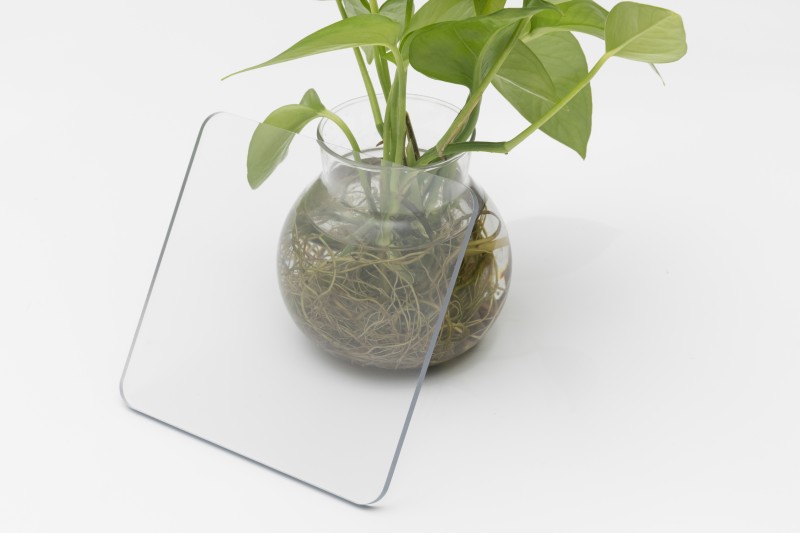
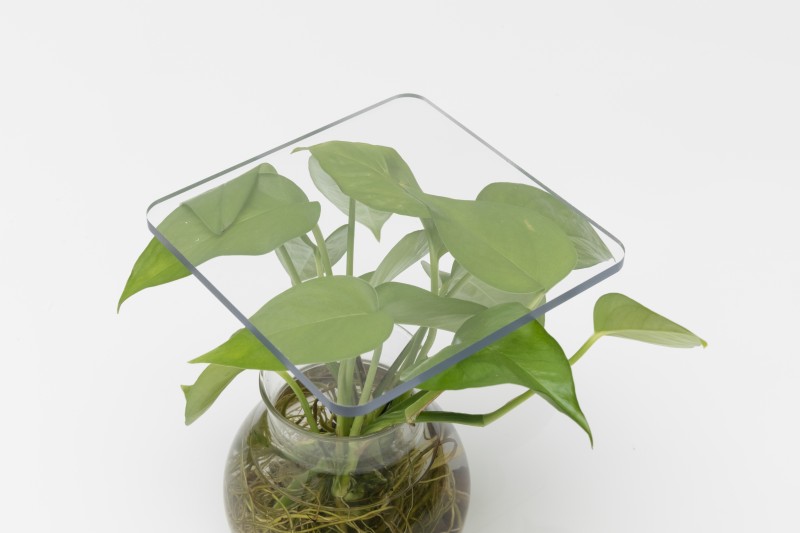
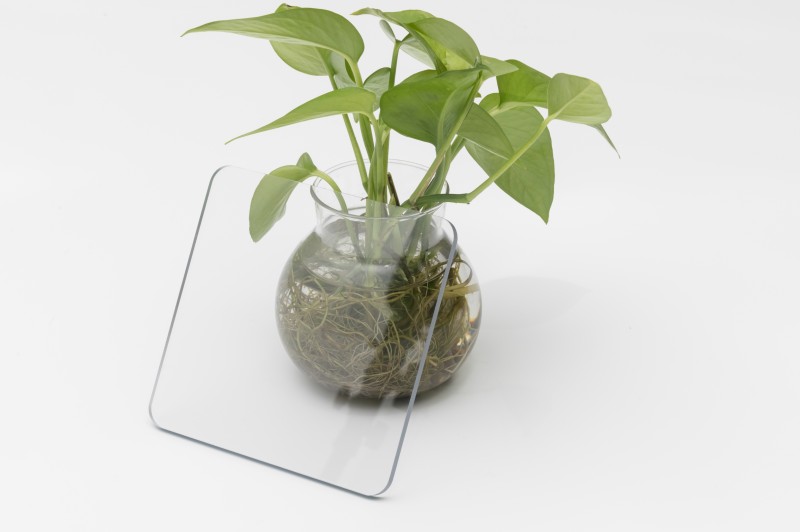
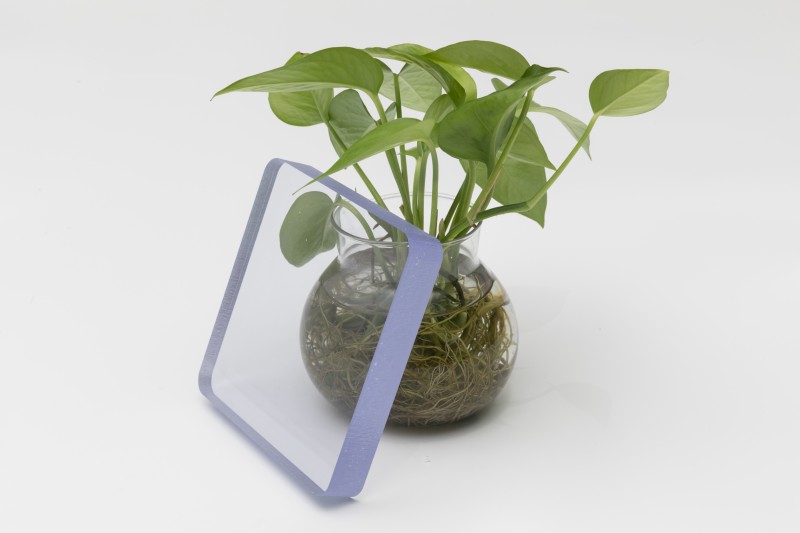

General PC Solid Sheet
- Super High Impact Resistance: Impact strength is 250-300 times that of ordinary glass; no cracks occur when a 3kg hammer falls from a 2-meter height, earning it the title of “transparent steel plate”
- Lightweight & Easy Installation: Density is only 1.2g/cm³, half that of glass; no heavy equipment is needed, and it can be operated by a single person, saving installation costs
- Light Transmission & Diffusion: Transparent sheets have a light transmittance of 85%-89%, while granular texture versions can diffuse light to avoid glare, balancing lighting and comfort
- Weather & Aging Resistance: The surface UV coating can resist ultraviolet rays; no obvious fading occurs after 10 years of outdoor use, and the light transmittance loss rate is only 10%
- Heat Insulation & Energy Saving: Thermal conductivity is 1/4 that of glass, reducing heat loss and gain; annual building energy consumption can be reduced by 15%-20%
- Diverse Adaptability: Supports cutting and bending; available in profiles such as small round wave and T1050, which can be matched with color steel tiles to form lighting strips, meeting different scenarios
Detailed Specification of General PC Solid Sheet
Subcategory | Detailed Information |
Thickness Specification | Regular: 0.8mm, 1.0mm, 1.2mm, 1.5mm, 2.0mm; Customized: up to 100mm, meeting load-bearing and light-transmitting needs of different scenarios |
Size & Profile | Width: Regular 1220mm/1560mm/1820mm/2100mm; Length: Customizable on demand. Profiles: Flat plate, small round wave, small ladder wave, T1050, T840; T-series can match color steel tiles to form integrated lighting strips |
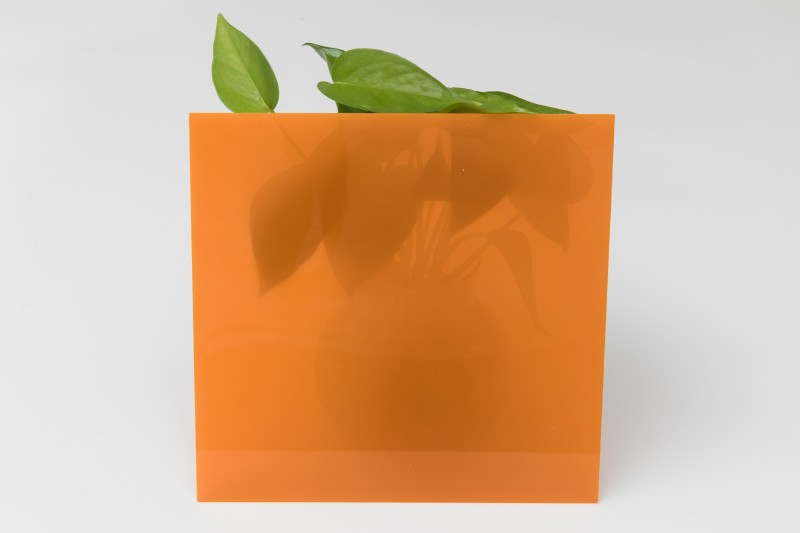
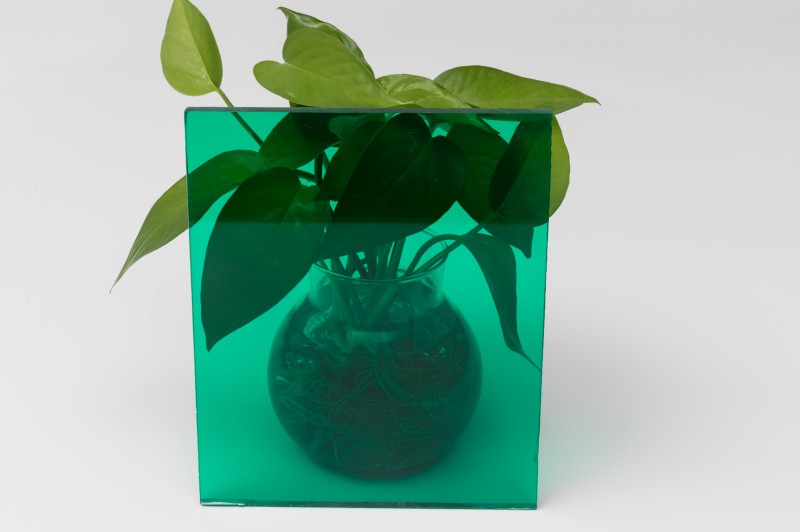
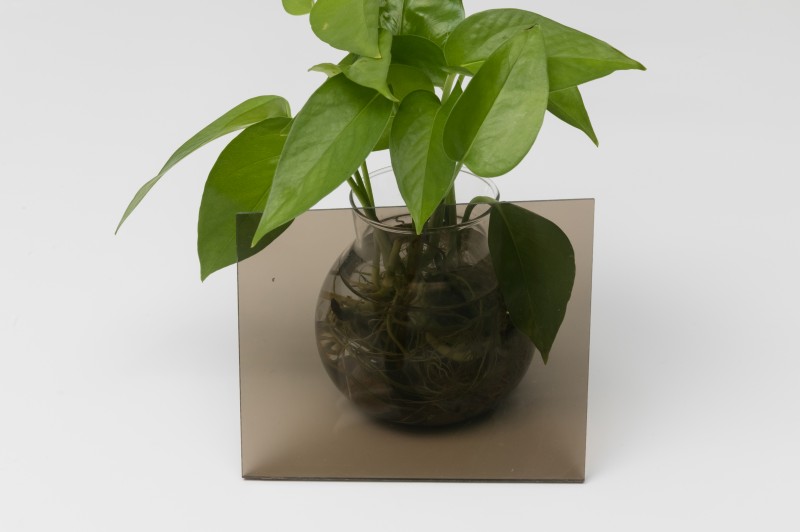
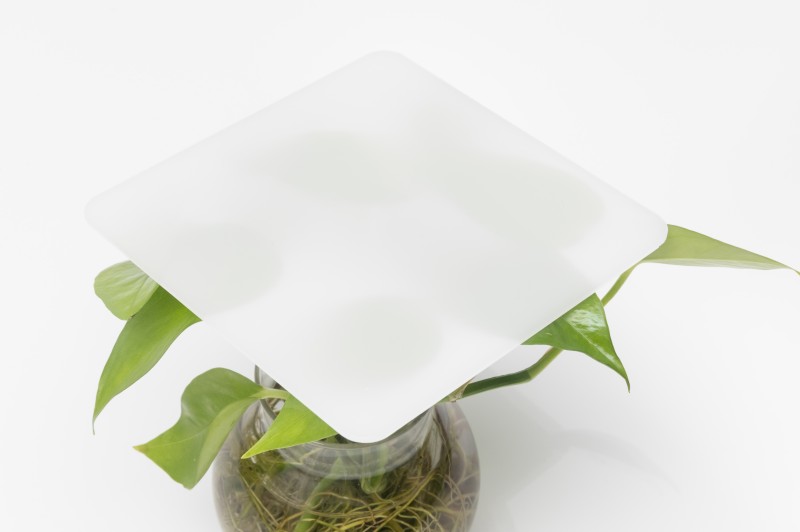
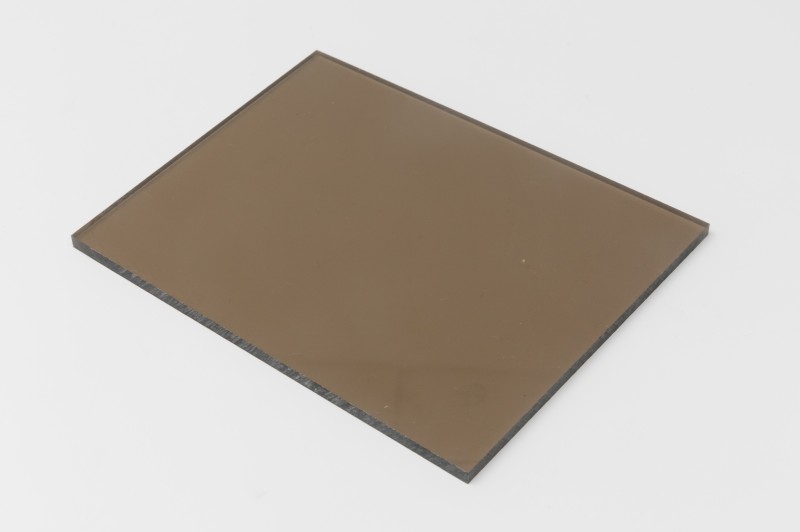
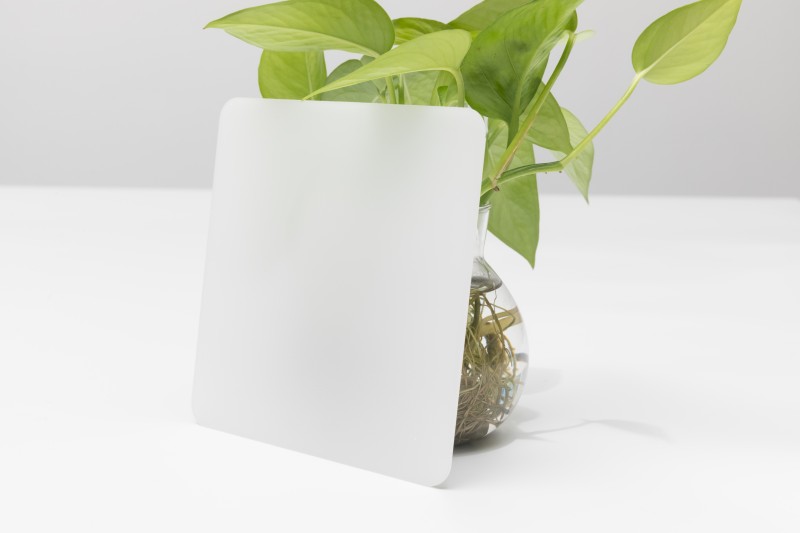
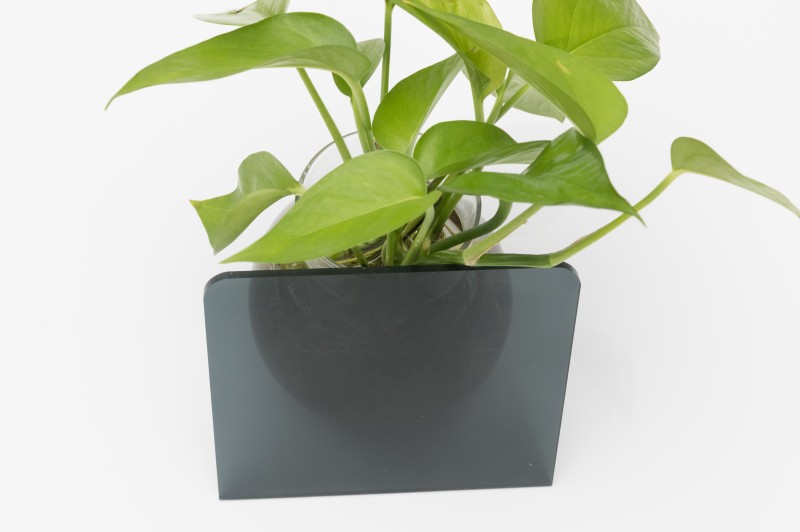
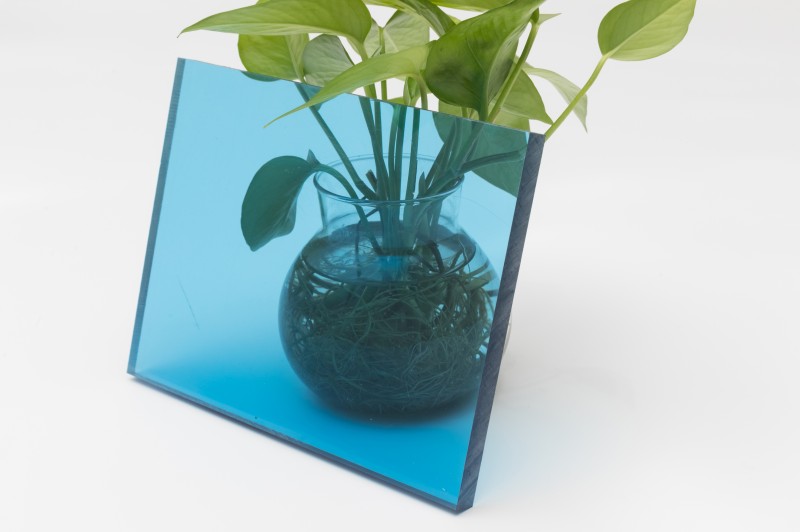
Color Options | Fully transparent (colorless, brown); Semi-transparent (milky white, blue); Special color customization available, adapting to different architectural styles and lighting preferences |
Surface Treatment | Ordinary transparent, frosted, granular texture, anti-scratch coating. Granular texture enhances light scattering; Frosted type improves privacy |
Subcategory | Detailed Information |
Mechanical Performance | Impact strength: 250-300 times that of ordinary glass, 30 times that of acrylic of the same thickness; No cracks when a 3kg hammer falls from 2 meters. Can be cold-bent (minimum bending radius: 175-200 times thickness) without breaking after forming |
Optical Performance | Transparent sheets: Light transmittance 85%-89%, close to glass; Granular texture sheets: 80% light transmittance with light diffusion function, no glare, suitable for scenarios requiring high light uniformity |
Weather & Heat Resistance | Surface UV coating resists ultraviolet rays; No obvious fading after 10 years of outdoor use, light transmittance loss rate only 10%. Heat distortion temperature: 135℃; Continuous service temperature: 120℃; Brittleness temperature: -40℃; No brittleness risk at -30℃ |
Energy Saving & Safety | Thermal conductivity: 1/4 of glass; Annual building energy consumption can be reduced by 15%-20%. Flame retardant grade: GB 50222-95 Class B1, self-extinguishing when away from fire, no toxic gas during combustion. Density: 1.2g/cm³, 1/2 of glass, reducing installation load |
Subcategory | Detailed Information |
Core Introduction | General PC Solid Sheet (also known as endurance board) is a homogeneous solid sheet made of high-performance engineering plastic polycarbonate (PC) through co-extrusion; some products have a 50μm UV-resistant coating on the surface. Its core advantage is balancing “high strength + high light transmittance + lightweight”, with both impact resistance of “transparent steel plate” and better heat insulation and processing adaptability than glass. It can replace traditional glass in various fields, with convenient installation and low long-term use cost, meeting the requirements of modern green building materials for “safety, energy saving and durability” |
Subcategory | Detailed Information |
Construction Field | Skylights, curtain walls, sightseeing elevator shafts, anti-riot doors and windows, indoor partitions and ceilings; T1050/T840 profiles adapt to lighting strips of color steel tile roofs in industrial plants and warehouses |
Transportation Field | Highway sound barriers, toll station canopies, bus shelter awnings; Lightweight feature reduces load of transportation facilities |
Advertising & Display Field | Light box advertisements, road signs, observation windows of museum display cabinets, store windows; High light transmittance and diverse colors meet display and advertising needs |
Agriculture & Civil Field | Greenhouse lighting panels (80% light transmittance promotes plant growth), residential balcony canopies, telephone booths; Heat insulation performance saves energy for greenhouse temperature control |
Frequently Asked Questions
Q: How strong is the impact resistance of General PC Solid Sheet exactly? What impacts can it withstand in daily use?
A:How strong is the impact resistance of General PC Solid Sheet exactly? What impacts can it withstand in daily use?
Q: When the sheet is used outdoors, how to ensure it does not turn yellow and its light transmittance does not decrease for a long time?
A: High-quality General PC Solid Sheet has a 50-micron thick anti-ultraviolet (UV) coating co-extruded on the surface, which can absorb more than 99% of ultraviolet rays to prevent substrate aging. Under normal outdoor use, there is no obvious color change within 10 years, and the light transmittance loss rate is only 10%, far lower than that of sheets without UV coating (light transmittance loss exceeds 30% in 3 years).
Q: What are the differences in application scenarios for sheets of different thicknesses? For example, where are 0.8mm and 2.0mm sheets suitable for?
A: Thin sheets of 0.8-1.2mm are lightweight and easy to process, suitable for scenarios without load-bearing requirements such as indoor partitions, display cabinet glass, and small light box panels; sheets of 1.5-2.0mm have higher strength, suitable for light load-bearing scenarios such as small outdoor canopies, balcony sunshades, and advertising signs; if load-bearing is required (e.g., platform covers), a thickness of more than 5mm needs to be customized.
Q: Can the sheet be bent for processing? What is the minimum bending radius? Will bending affect its performance?
A: It supports cold bending and hot bending processing. The minimum cold bending radius is 175-200 times the thickness of the sheet (e.g., the minimum bending radius of a 2.0mm sheet is about 350-400mm), and hot bending can achieve a smaller radius. Processing within the specified bending range will not damage the substrate structure, and core performances such as impact resistance and light transmittance will not decrease significantly.
Q: What is the flame retardant grade of General PC Solid Sheet? Will it release toxic gases when burned?
A: Its flame retardant grade complies with GB 50222-95 Standard Class B1 (flame-retardant grade), with an ignition point of 580℃, and it can self-extinguish after leaving the fire source. During combustion, it only releases carbon dioxide and water, without toxic gases (such as formaldehyde and cyanide), meeting fire safety requirements and can be used in public spaces such as shopping malls and stations.
Q: Do gaps need to be reserved during installation? If so, how to determine the gap size?
A: Gaps need to be reserved because the sheet has the property of thermal expansion and contraction (coefficient of linear expansion 7×10⁻⁵cm/cm/℃). Not reserving gaps may easily cause the sheet to deform and arch. The gap size is usually 10%-15% of the sheet thickness (e.g., a 2.0mm sheet reserves 0.2-0.3mm), and expansion joints need to be added every 3 meters for sheets with a length exceeding 3 meters.
Q: Can scratches on the sheet surface be repaired? What cleaning agent should be used for daily cleaning?
A: Minor scratches (depth ≤0.1mm) can be repaired by gently sanding with fine sandpaper of 2000 grit or above dipped in water, then applying a special polishing agent for PC sheets; deep scratches are difficult to repair and require partial sheet replacement. For daily cleaning, use neutral cleaning agents (such as diluted detergent), and avoid using strong acid (hydrochloric acid) and strong alkali (sodium hydroxide) cleaning agents to prevent corrosion of the sheet surface.
Q: What is the service life of the sheet? Does the service life vary greatly in different usage environments (indoor/outdoor)?
A: The service life is 15-20 years for indoor use (without ultraviolet rays and extreme temperatures); 10-12 years for outdoor use (with UV coating); if uncoated sheets are used outdoors, the service life is only 3-5 years. The environment has a significant impact—ultraviolet rays, high temperatures (long-term exposure above 60℃), and strong acid and alkali environments will accelerate sheet aging and shorten the service life.
Q: Compared with acrylic sheets, what other core advantages does General PC Solid Sheet have besides stronger impact resistance?
A:In addition to stronger impact resistance, it has two core advantages: first, better temperature resistance—continuous service temperature is 120℃ (acrylic is only 95℃), so it can be used in summer exposure scenarios (such as car roofs); second, better weather resistance—light transmittance loss is only 10% after 10 years of outdoor use (acrylic loses more than 25% in 3 years), no need for frequent replacement.
Q: What is the weight of General PC Solid Sheet with different thicknesses? Is the load-bearing requirement for the installation structure high?
Your Trusted Partner for
Polycarbonate Films in China
Click on the button, you will find the Trustworthy Supplier Of
Polycarbonate Sheet/Acrylic Sheet/Film or Machining services.

