In the world of building materials, finding a solution that balances durability, versatility, and cost-effectiveness can feel like a challenge. Whether you’re a homeowner planning a backyard upgrade, a contractor working on a commercial project, or a DIY enthusiast tackling a new build, polycarbonate sheet has emerged as a game-changing option. But what exactly is a polycarbonate sheet? Why is it replacing traditional materials like glass, acrylic, and metal in so many projects? And how do you choose the right type for your needs?
This comprehensive guide will answer all these questions and more. We’ll break down the key benefits of polycarbonate sheets, explore their most common applications, walk you through installation tips, and address frequently asked questions—all designed to help you make an informed decision for your next project. By the end of this post, you’ll understand why polycarbonate sheets are a top choice for professionals and homeowners alike.
What Is a Polycarbonate Sheet?
Before diving into the “why” and “how,” let’s start with the basics: what is a polycarbonate sheet?
Polycarbonate is a type of thermoplastic polymer known for its exceptional strength, transparency, and impact resistance. When formed into sheets, it creates a lightweight yet durable material that can be customized for various uses. Unlike glass, which is brittle and heavy, or acrylic (which is prone to cracking), polycarbonate sheets offer a unique combination of flexibility and toughness—making them ideal for both indoor and outdoor applications.
One of the most notable properties of polycarbonate is its impact resistance: it’s up to 250 times stronger than glass and 30 times stronger than acrylic. This means it can withstand extreme weather conditions, accidental impacts (like hail or falling debris), and even moderate pressure without breaking. Additionally, polycarbonate sheets are UV-resistant (when treated), which prevents yellowing or degradation over time—another advantage over untreated acrylic.
Polycarbonate sheets come in several forms, including:
- Solid polycarbonate sheets: Thick, rigid, and ideal for applications requiring maximum strength (e.g., safety barriers, machine guards).
- Corrugated polycarbonate sheets: Lightweight with a ribbed design, perfect for roofing (e.g., greenhouses, patios) and siding.
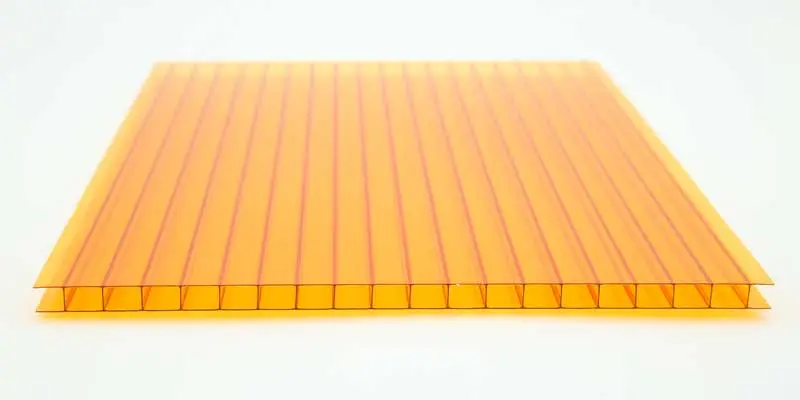
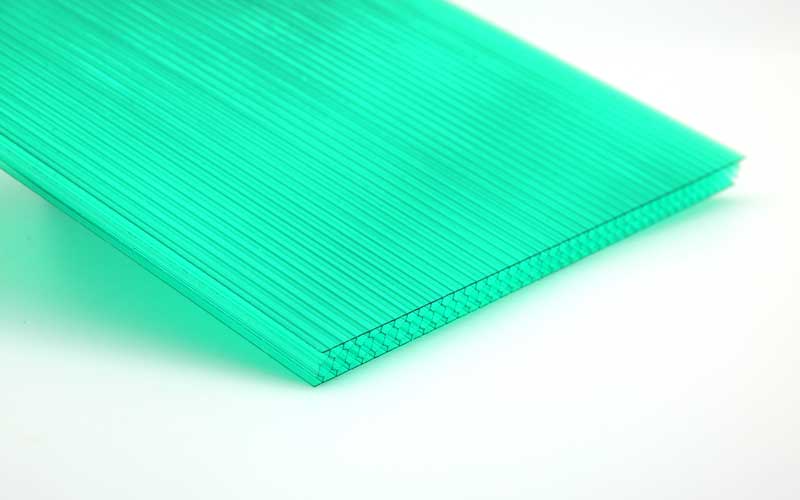
- Multiwall polycarbonate sheets: Also called twin-wall or triple-wall sheets, these have hollow channels that improve insulation. They’re popular for skylights, conservatories, and outdoor enclosures.
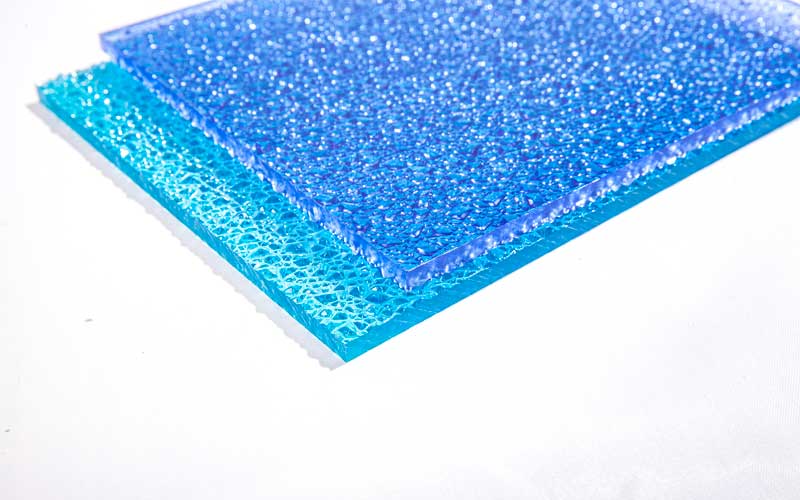
- Textured polycarbonate sheets: Feature a patterned surface for reduced glare or enhanced privacy (e.g., office partitions, shower walls).
Key Benefits of Polycarbonate Sheets
Why choose polycarbonate sheets over traditional materials like glass, metal, or wood? Here are the top advantages that make them a standout option:
1. Unmatched Durability and Impact Resistance
As mentioned earlier, polycarbonate’s strength is unparalleled. Unlike glass, which shatters into sharp pieces when broken, polycarbonate sheets either bend or crack into blunt fragments—making them a safer choice for high-traffic areas, homes with children or pets, and outdoor spaces prone to severe weather.
For example, a corrugated polycarbonate roof can withstand hailstones up to 1 inch in diameter without damage, while a glass roof would likely crack or break. This durability also means polycarbonate sheets have a longer lifespan: most high-quality options last 10–20 years with proper maintenance, compared to 5–10 years for untreated acrylic or 15–20 years for glass (which is more prone to scratches and breakage).
2. Lightweight Design
Polycarbonate sheets are significantly lighter than glass—about 50% lighter, in fact. This makes them easier to transport, handle, and install, reducing labor costs and the need for heavy-duty support structures. For instance, a 4×8-foot solid polycarbonate sheet weighs around 15 pounds, while a glass sheet of the same size weighs over 30 pounds.
This lightweight property is especially beneficial for projects like greenhouse roofing or skylights, where adding too much weight to the existing structure could cause damage. It also makes DIY installation feasible for homeowners who might not have the tools or strength to work with glass.
3. Excellent Insulation Properties
Multiwall polycarbonate sheets are a top choice for energy-efficient projects thanks to their hollow channel design. These channels trap air, creating a thermal barrier that reduces heat transfer. In fact, multiwall polycarbonate has an R-value (a measure of insulation effectiveness) of 1.5–3.0, depending on the number of walls—compared to 0.8 for single-pane glass and 1.0 for acrylic.
This means spaces with polycarbonate enclosures (like conservatories or greenhouses) stay warmer in the winter and cooler in the summer, lowering energy bills. For commercial buildings, this can translate to significant long-term savings on heating and cooling costs.
4. UV Protection
Most polycarbonate sheets are treated with a UV-resistant coating on one or both sides. This coating blocks up to 99% of harmful UV rays, preventing fading of furniture, flooring, or plants inside a space. It also protects the polycarbonate itself from yellowing or becoming brittle over time—an issue that plagues untreated acrylic sheets.
For outdoor applications like patio covers or pool enclosures, this UV protection is crucial. It ensures the sheets remain clear and functional for years, even in direct sunlight.
5. Versatility and Customization
Polycarbonate sheets are available in a wide range of sizes, thicknesses, colors, and textures, making them suitable for almost any project. Whether you need a clear sheet for a skylight, a colored sheet for a decorative wall, or a textured sheet for a privacy partition, there’s a polycarbonate option to match.
They can also be easily cut, drilled, and shaped using standard tools (like a circular saw or drill), allowing for precise customization. This versatility has made polycarbonate sheets popular in industries ranging from construction and agriculture to automotive and electronics.
6. Cost-Effectiveness
While the initial cost of polycarbonate sheets may be slightly higher than acrylic or some types of glass, their long lifespan, low maintenance requirements, and energy-saving benefits make them more cost-effective in the long run.
For example, a polycarbonate greenhouse roof may cost 10–20% more upfront than a glass roof, but it will require fewer repairs, last just as long (if not longer), and reduce heating costs by up to 30%. Additionally, the lightweight design lowers installation costs, further offsetting the initial investment.
Common Applications of Polycarbonate Sheets
Polycarbonate’s unique blend of strength, flexibility, and insulation makes it suitable for a wide range of indoor and outdoor projects. Here are some of the most popular applications:
1. Greenhouses and Garden Structures
Greenhouse owners swear by polycarbonate sheets—especially multiwall options. The material’s UV protection ensures plants get the sunlight they need without being damaged by harmful rays, while its insulation properties help maintain a consistent temperature year-round. Corrugated polycarbonate is also a great choice for greenhouse siding, as it’s lightweight and easy to install.
Other garden structures that benefit from polycarbonate include cold frames, garden sheds, and patio covers. A polycarbonate patio cover lets in natural light while protecting you from rain and UV rays—perfect for outdoor dining or relaxing.
2. Roofing and Skylights
Polycarbonate sheets are an excellent alternative to glass for roofing and skylights. Their impact resistance makes them ideal for areas prone to hail or falling branches, while their lightweight design reduces stress on the roof structure. Multiwall polycarbonate is especially popular for skylights, as it provides insulation without blocking light.
Commercial buildings often use polycarbonate roofing for atriums, walkways, and canopies. For example, a shopping mall might install a polycarbonate canopy over its entrance to protect customers from rain and snow while maintaining an open, modern look.
3. Safety Barriers and Machine Guards
In industrial settings, safety is a top priority—and polycarbonate sheets deliver. Solid polycarbonate sheets are used to create safety barriers around machinery, as they can withstand impacts from flying debris without breaking. They’re also transparent, allowing workers to see the equipment while staying protected.
Polycarbonate safety barriers are also common in public spaces, such as sports stadiums (to protect fans from flying balls) and train stations (to separate platforms from tracks). Unlike metal barriers, polycarbonate is lightweight and doesn’t rust, making it easier to maintain.
4. Indoor Partitions and Decorative Elements
Polycarbonate sheets are a stylish and functional choice for indoor partitions. Textured or colored polycarbonate can create privacy in offices or homes without blocking light, while clear sheets can be used to divide spaces while maintaining an open feel.
Decorative applications include wall panels, backsplashes, and even furniture. For example, a modern bookshelf with polycarbonate shelves adds a sleek, contemporary touch to a room while being strong enough to hold books and decor.
5. Automotive and Marine Uses
The automotive industry uses polycarbonate sheets for a variety of parts, including headlight covers, sunroofs, and interior panels. Polycarbonate’s impact resistance and lightweight design make it ideal for these applications—headlight covers, for instance, can withstand small rocks and debris without cracking.
In the marine industry, polycarbonate sheets are used for boat windshields and windows. They’re resistant to saltwater corrosion and UV damage, making them a durable choice for marine environments.
How to Choose the Right Polycarbonate Sheet for Your Project
With so many types of polycarbonate sheets available, choosing the right one can seem overwhelming. Here are the key factors to consider:
1. Application
The first step is to determine how you’ll use the sheet. For example:
- Roofing or greenhouses: Choose corrugated or multiwall polycarbonate for lightweight, insulated coverage.
- Safety barriers or machine guards: Opt for solid polycarbonate sheets (thickness ¼ inch or more) for maximum strength.
- Indoor partitions: Textured or colored polycarbonate will provide privacy, while clear sheets are better for maintaining visibility.
2. Thickness
Polycarbonate sheets range in thickness from 1mm (for thin, flexible applications) to 25mm (for heavy-duty safety barriers). Thicker sheets offer more strength and insulation but are also heavier and more expensive.
As a general rule:
- Thin sheets (1–3mm): Suitable for temporary structures, crafts, or lightweight covers.
- Medium sheets (4–10mm): Ideal for roofing, skylights, and indoor partitions.
- Thick sheets (10mm+): Best for safety barriers, machine guards, and high-impact applications.
3. UV Protection
If your project is outdoors (or exposed to direct sunlight), make sure the polycarbonate sheet has a UV-resistant coating. Most manufacturers offer this as a standard feature, but it’s always worth double-checking—untreated polycarbonate will yellow and become brittle over time.
4. Color and Transparency
Polycarbonate sheets come in clear, tinted, or colored options. Clear sheets are best for applications where maximum light transmission is important (e.g., greenhouses, skylights). Tinted sheets (e.g., gray, bronze) reduce glare and heat absorption, making them suitable for patio covers or office partitions. Colored sheets (e.g., red, blue) are great for decorative projects like wall panels or signage.
5. Brand and Quality
Not all polycarbonate sheets are created equal. Look for reputable brands that use high-quality materials and offer warranties. A good warranty (5–10 years) indicates that the manufacturer stands behind their product. Avoid cheap, low-quality sheets—they may be prone to yellowing, cracking, or breaking, which will cost you more in the long run.
Step-by-Step Guide to Installing Polycarbonate Sheets
Installing polycarbonate sheets is relatively straightforward, but it’s important to follow the right steps to ensure a secure, long-lasting result. Here’s a step-by-step guide for roofing or siding applications:
Tools and Materials You’ll Need:
- Polycarbonate sheets (cut to size)
- Aluminum or wooden support rails (to attach the sheets)
- Self-tapping screws with washers (use polycarbonate-specific screws to prevent cracking)
- Drill
- Circular saw or jigsaw (with a fine-tooth blade for cutting polycarbonate)
- Tape measure
- Level
- Sealant (silicone or polycarbonate-compatible sealant)
Step 1: Prepare the Surface
First, ensure the support structure (rafters, joists, or rails) is clean, level, and sturdy. For roofing, the support rails should be spaced 24–36 inches apart (depending on the sheet thickness). If using wooden rails, treat them with a weather-resistant coating to prevent rot.
Step 2: Cut the Sheets to Size
Measure the area where you’ll install the sheets and mark the polycarbonate accordingly. Use a circular saw or jigsaw with a fine-tooth blade to cut the sheets—slow, steady cuts will prevent cracking. If you’re cutting multiwall polycarbonate, be careful not to damage the internal channels.
Step 3: Install the First Sheet
Place the first polycarbonate sheet on the support rails, leaving a ¼-inch gap between the sheet and the edge of the structure (for expansion). Use self-tapping screws with washers to attach the sheet to the rails—drill the screws through the ridges of corrugated sheets or the flanges of multiwall sheets (avoid drilling through the channels of multiwall sheets, as this will reduce insulation). Space the screws 12–16 inches apart along the rails.
Step 4: Add Subsequent Sheets
Continue installing the remaining sheets, leaving a ¼-inch gap between each sheet (for expansion). If you’re installing multiwall sheets, make sure the channels are oriented vertically (to allow water to drain). For corrugated sheets, align the ribs with the support rails.
Step 5: Seal the Gaps
Once all sheets are installed, use silicone or polycarbonate-compatible sealant to seal the gaps between the sheets and around the edges of the structure. This will prevent water from leaking through and protect the support structure from moisture damage.
Step 6: Clean Up
Wipe down the polycarbonate sheets with a mild soap and water solution to remove any dust or debris. Avoid using abrasive cleaners or tools, as they can scratch the surface.
Frequently Asked Questions (FAQs) About Polycarbonate Sheets
Q1: Are polycarbonate sheets waterproof?
Yes, polycarbonate sheets are waterproof—especially when properly installed with sealant. Corrugated and multiwall polycarbonate are commonly used for roofing and siding because they shed water effectively. However, it’s important to seal the gaps between sheets and around edges to prevent leaks.
Q2: Can polycarbonate sheets be painted?
Yes, but it’s important to use the right type of paint. Look for acrylic or latex paint that’s designed for plastic surfaces. Before painting, clean the sheet with soap and water and lightly sand the surface (with 220-grit sandpaper) to help the paint adhere. Test the paint on a small, inconspicuous area first to ensure it doesn’t peel or crack.
Q3: How do you clean polycarbonate sheets?
Clean polycarbonate sheets with a mild soap and water solution (avoid harsh chemicals like ammonia or bleach) and a soft cloth or sponge. For stubborn stains, use a plastic cleaner (available at home improvement stores). Never use abrasive tools (like steel wool) or cleaners, as they will scratch the surface.
Q4: Are polycarbonate sheets flammable?
Polycarbonate is a thermoplastic, which means it will melt when exposed to high temperatures (around 240°C/464°F). However, it is not highly flammable and will self-extinguish once the heat source is removed. For commercial applications, look for fire-rated polycarbonate sheets.
Q5: Can polycarbonate sheets be used in cold climates?
Yes, polycarbonate sheets are resistant to cold temperatures and can withstand freezing conditions without cracking. Multiwall polycarbonate is especially suitable for cold climates, as its insulation properties help keep spaces warm. However, it’s important to install the sheets with proper expansion gaps—polycarbonate can expand and contract with temperature changes, and gaps prevent warping.
Final Thoughts
Polycarbonate sheets have revolutionized the way we approach building and design projects. Their unmatched strength, lightweight design, insulation properties, and versatility make them a superior alternative to traditional materials like glass, acrylic, and metal. Whether you’re building a greenhouse, upgrading your roof, or creating a safety barrier, polycarbonate sheets offer a cost-effective, durable solution that will stand the test of time.
By following the tips in this guide—choosing the right type of sheet, installing it properly, and maintaining it regularly—you can ensure your polycarbonate project looks great and functions well for years to come. If you have any further questions or need help selecting the perfect polycarbonate sheet for your needs, don’t hesitate to reach out to a trusted supplier or manufacturer.