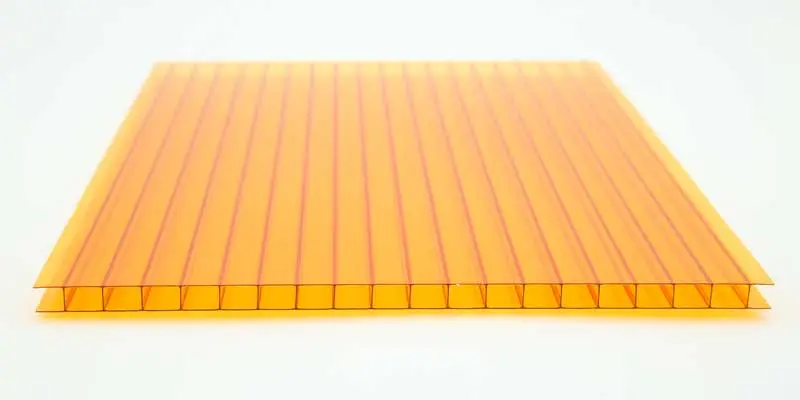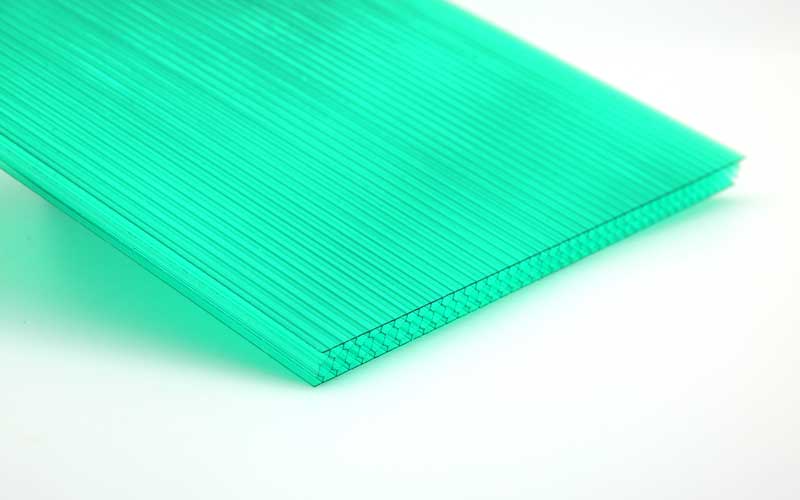
When you pick between Polycarbonate Solid sheet and glass, you see that polycarbonate is very tough. It does not break easily. It can bend for many uses. Glass is still liked because it looks clear and fancy. You need to think about what matters most to you. This can be safety, keeping heat in, or how it looks. The best choice depends on what you need. Knowing the main differences helps you feel sure about your choice.
Key Takeaways
- Polycarbonate solid sheet is stronger than glass. It is also lighter than glass. This makes it easier to move and put in place.
- Polycarbonate is safer because it does not break into sharp pieces. This lowers the chance of getting hurt in busy places.
- Glass keeps heat in better, especially if it is thick. This makes glass good for windows that save energy.
- Polycarbonate blocks UV rays very well. It helps keep rooms cooler. It also stops furniture from fading.
- Think about what your project needs. Pick polycarbonate if you want strength and easy use. Pick glass if you want a classic look and better heat control.
Comparison Overview
Key Differences
When you look at Polycarbonate Solid Sheet and glass, you see they are different in many ways. The table below shows how each one works for important things:
| Performance Factor | Polycarbonate Solid Sheet | Glass |
|---|---|---|
| Impact Resistance | Up to 200 times stronger | Standard strength |
| Weight | Lightweight | Heavier |
| Clarity | High Clarity | Medium Clarity |
| Thermal Insulation | Limited | Great (especially thicker gauges) |
| Insulation (K-value) | 0.21 | 0.96 |
| UV Resistance | High | Moderate |
| Recyclability | Yes | Limited |
| Cost | Medium | Medium to High |
Tip: Polycarbonate Solid Sheet is much stronger than glass. It is also lighter. You can move and put it in place with less work. Glass keeps heat in better, especially if it is thick. Both are clear, but polycarbonate can look even clearer.
You may wonder about weight. A 6mm glass sheet weighs about 15 kg for each square meter. A 6mm polycarbonate sheet weighs only 7.2 kg for the same size. Polycarbonate is easier to lift.
If you need something that does not break, polycarbonate is almost impossible to break. It is good for places where safety is very important. Glass can break or crack if you drop it or hit it hard.
Think about insulation too. Polycarbonate helps keep heat in, especially if it is thick. Glass is also good for insulation and works well in windows and doors.
This overview can help you pick the right material for your project. If you want something strong and easy to use, polycarbonate is a smart pick. If you want the best insulation and a classic look, glass might be better for you.
Strength & Durability
Polycarbonate Solid Sheet Strength
You want a material that stands up to tough conditions. Polycarbonate Solid Sheet gives you impressive strength. It can handle strong impacts much better than glass. When you compare the two, Polycarbonate Solid Sheet shows impact strength several to dozens of times greater than tempered glass of the same thickness. This means you can use it in places where safety matters most, like sports facilities, schools, or public buildings. You do not have to worry about it breaking if something hits it hard.
Polycarbonate Solid Sheet also resists damage from sunlight. Manufacturers add UV protective layers to the surface. These layers help the sheet last longer outdoors. You can trust it to keep its shape and strength even under harsh sunlight. This makes it a smart choice for outdoor projects.
If you take care of Polycarbonate Solid Sheet, you can expect it to last for many years. The average lifespan ranges from 20 to 25 years, and with proper care, it can reach up to 30 years. You get a strong, reliable material that does not need frequent replacement.
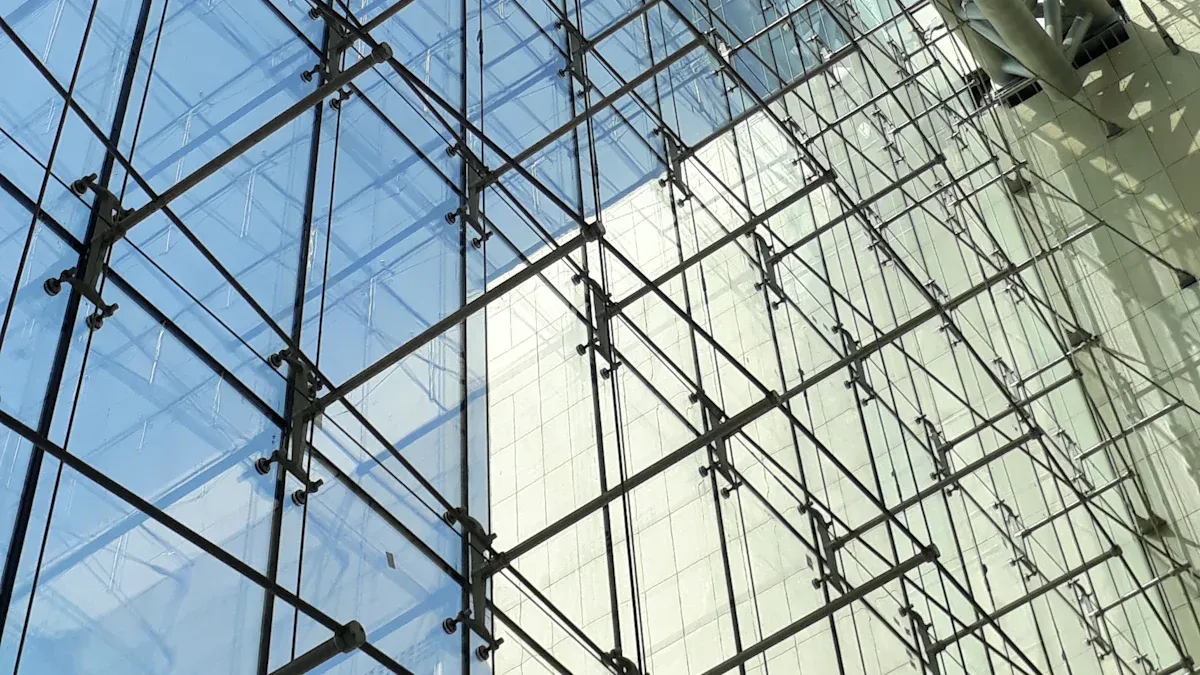
Glass Durability
Glass gives you a classic look and solid durability. You see glass in windows, doors, and many building projects. It can last over 30 years if you maintain it well. Glass does not bend or flex, so it can crack or break if you hit it with force. You may need to repair or replace glass more often in high-traffic areas.
Glass does not come with built-in UV protection. You need special treatments to help glass resist damage from sunlight. Without these treatments, glass can lose clarity or become weaker over time. You should think about this if your project faces direct sunlight.
Here is a quick look at how Polycarbonate Solid Sheet and glass compare for lifespan:
| Material | Average Lifespan | Notes |
|---|---|---|
| Polycarbonate | 20 to 25 years | Can extend to 30 years with proper care. |
| Glass | Over 30 years | May require more frequent repairs. |
Note: Polycarbonate Solid Sheet gives you better impact resistance and UV protection. Glass lasts longer but may need more repairs, especially in busy or risky places.
You need to choose the material that fits your project. If you want strength and safety, Polycarbonate Solid Sheet works best. If you want a long-lasting, classic look, glass is a good option.
Weight & Handling
Material Weight
When you choose a material for your project, weight matters a lot. Lighter materials make your job easier and safer. Polycarbonate Solid Sheet weighs much less than glass, even when both have the same thickness. This difference helps you move, lift, and install the sheets with less effort.
Here is a table that shows how much each material weighs per square meter at different thicknesses:
| Sheet Thickness (mm) | Glass Weight (kg/m²) | PALSUN® Weight (kg/m²) |
|---|---|---|
| 2 | 4.90 | 2.40 |
| 3 | 7.34 | 3.60 |
| 4 | 9.80 | 4.80 |
| 5 | 12.24 | 6.00 |
| 6 | 14.68 | 7.20 |
| 8 | 19.60 | 9.60 |
| 10 | 24.48 | 12.00 |
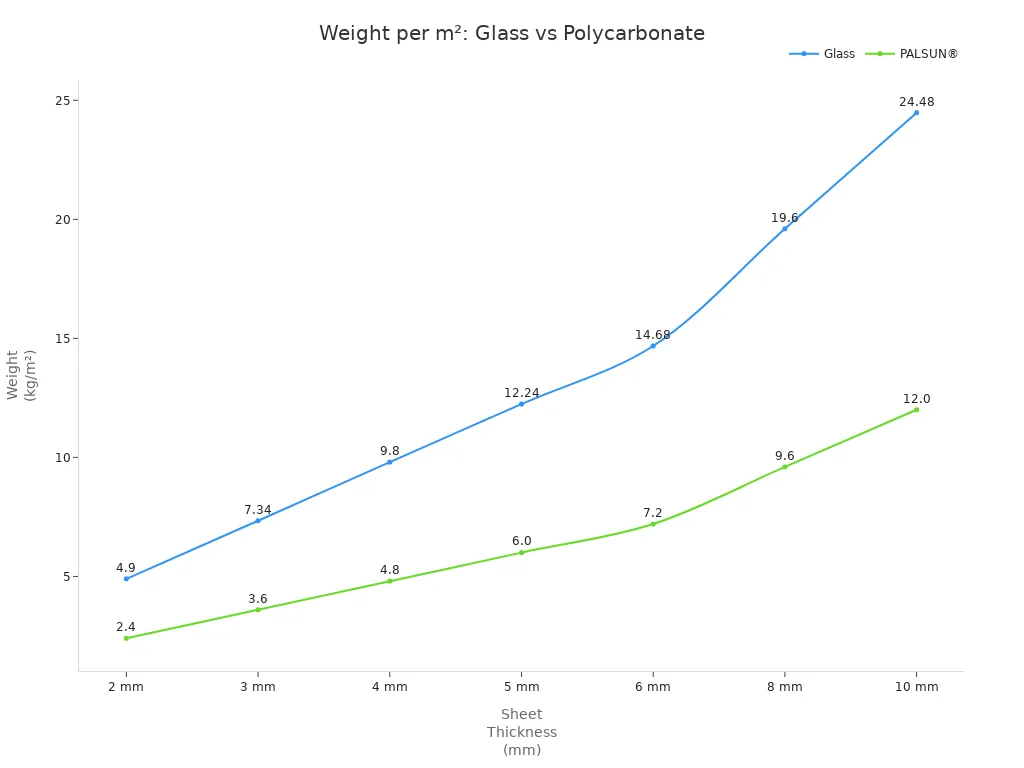
You can see that as the thickness increases, glass becomes much heavier. This extra weight can make handling and installation harder, especially for large projects.
Installation Ease
You want your project to go smoothly. The material you pick can make a big difference in how easy it is to install. Polycarbonate is about six times lighter than glass, so you can carry and position it with less help. You can also cut it on-site with a standard circular saw or even a hand-held blade. This means you do not need special tools or to pre-cut every piece.
Here is a quick comparison of installation features:
| Material | Installation Complexity | Cutting Method |
|---|---|---|
| Polycarbonate | Easier | Standard circular saw or hand-held blade |
| Glass | More complex | Specialty saws required |
- You can install polycarbonate faster because it is lighter.
- You need fewer support materials for polycarbonate than for glass.
- Glass needs more careful handling and special tools for cutting.
Tip: If you want to save time and reduce labor costs, choose a lighter material that is easy to cut and install.
Choosing the right material for weight and handling can help you finish your project faster and with less stress.
Safety & Impact Resistance
Shatter Resistance
You want your project to be safe if something goes wrong. Polycarbonate Solid Sheet does not break into sharp pieces like glass. If you hit glass hard, it can break and make sharp shards. These sharp pieces can hurt people. Polycarbonate Solid Sheet does not break easily, even if you hit it hard. If you drop it or hit it, it bends instead of breaking. This makes it safer for places where people are around or playing.
Here is how these materials compare for safety:
| Material | Safety Rating/Characteristic |
|---|---|
| Polycarbonate Solid Sheet | Rated B1 for fire resistance, ignition point 580°C |
| 250x stronger than glass, 200x impact strength | |
| Blocks UV rays | |
| Glass | Fragile, lacks UV protection |
If you want to stop injuries from broken glass, pick a material that does not break apart. Polycarbonate Solid Sheet helps keep people safe in busy places.
High-Risk Applications
You need strong materials where accidents can happen often. Schools, sports centers, and public buildings are busy places. People can bump into windows or walls. Balls can hit surfaces. Polycarbonate Solid Sheet is best for these places. It does not break when hit. You can use it for safety shields, walls, and barriers.
Glass is not good for these busy places. It can crack or break if something hits it. You might have to fix or change glass a lot in these areas. Polycarbonate Solid Sheet lasts longer and keeps people safe. It also has fire resistance and blocks UV rays, which makes it even safer.
- Use Polycarbonate Solid Sheet for:
- Gym windows
- School partitions
- Bus shelters
- Machine guards
Safety is most important where many people move around. Pick materials that keep people safe and last a long time.
Cost & Value
Upfront Costs
When you plan your project, you want to know how much you will spend at the start. Polycarbonate solid sheet usually costs more per square foot than basic glass. However, you need to look at the full picture. Glass prices can go up if you choose thicker or tempered glass. You also need to think about the cost of transporting and installing heavy glass panels.
Here is a simple table to help you compare:
| Material | Average Upfront Cost (per sq. ft.) | Installation Cost | Notes |
|---|---|---|---|
| Polycarbonate Solid Sheet | Medium | Low | Lightweight, easy to handle |
| Glass | Medium to High | High | Heavy, needs special tools |
Tip: Polycarbonate solid sheet may seem more expensive at first, but you save money on installation because it is lighter and easier to work with.
Long-Term Savings
You want your investment to last. Polycarbonate solid sheet gives you savings over time. It resists impact, so you do not need to replace it often. You also spend less on repairs because it does not shatter like glass. Polycarbonate blocks UV rays, which helps protect your furniture and keeps your space cooler. This can lower your energy bills.
Glass can last a long time if you take care of it, but it may break or crack. You might need to pay for repairs or replacements. Glass also lets in more heat, so you may spend more on cooling.
Here are some ways polycarbonate solid sheet helps you save:
- Fewer replacements due to high impact resistance
- Lower maintenance costs
- Reduced energy bills from better UV protection
If you want a material that saves you money in the long run, polycarbonate solid sheet is a smart choice for many projects.
Insulation & Efficiency
Polycarbonate Solid Sheet Insulation
You want your building to feel good all year. Polycarbonate Solid Sheet helps control heat and cold. It slows down how fast heat moves in or out. This helps keep warmth inside during winter. It also blocks heat in the summer.
- Polycarbonate panels have a U-value of about 2.4 W/m²K.
- The K-value for polycarbonate is 0.21.
- Lower U-values mean better insulation.
Polycarbonate Solid Sheet insulates better than glass. Less heat escapes, so you save energy. Many polycarbonate sheets have more than one wall. These layers trap air and stop heat from moving fast. You spend less money on heating and cooling. Your space stays at a steady temperature.
Tip: Pick materials with a low U-value to save energy. Polycarbonate Solid Sheet gives you this benefit.
You can use Polycarbonate Solid Sheet in greenhouses, skylights, and walkways. It keeps plants warm in winter and cool in summer. It also protects people from quick changes in temperature.
Glass Energy Performance
Glass looks classic, but it does not insulate as well. Standard single-pane glass has a U-value of about 5.8 W/m²K. The K-value for glass is 0.96. These numbers mean glass lets more heat pass through.
- Glass usually has a higher U-value than polycarbonate.
- Single-pane glass does not trap air, so it loses heat fast.
- Double-glazed glass insulates better, but it is heavier and still not as good as polycarbonate solid sheet.
You might want glass for its clear look and style. But you may pay more for energy if you use it in big spaces. Glass works best where insulation is not the main need. You can add extra layers to help it work better.
Note: Lower U-values mean better insulation. Polycarbonate Solid Sheet keeps your space more energy efficient than regular glass.
If you want to save energy and keep your building comfy, Polycarbonate Solid Sheet is a smart pick. It gives strong insulation, lower bills, and works in many places.
UV Protection & Clarity
UV Blocking
You want your project to last a long time and look nice. Polycarbonate solid sheets have strong UV protection. Makers put special coatings on them to block harmful ultraviolet rays. This helps the sheet keep its color and strength outside. It does not turn yellow or get brittle as time goes by. Glass does not block UV rays as well unless you pick special types or add extra coatings. Regular glass lets more UV rays through, which can fade furniture and hurt your skin.
Tip: If you need something for outside, polycarbonate solid sheet protects better from sun damage. It keeps your space safer and your things looking new.
Here is a quick comparison:
| Material | UV Protection Level | Notes |
|---|---|---|
| Polycarbonate Solid Sheet | High (built-in coating) | Resists yellowing and fading |
| Glass | Moderate | Needs extra coating for UV block |
Light Transmission
You want sunlight to come into your space. Both polycarbonate solid sheet and glass let light in, but they do it a bit differently. Polycarbonate solid sheets let more than 90% of light pass through. This keeps your room bright and cheerful. Twinwall polycarbonate sheets let in about 81% of light, which is good for greenhouses and walkways. Clear glass also lets in a lot of light, but polycarbonate can match or even beat it.
- Solid polycarbonate sheets: light transmission rate over 90%
- Twinwall polycarbonate sheets: light transmission rate 81%
You get clear views and bright rooms with both materials. Polycarbonate solid sheet stays clear for years because it does not scratch or get damaged by UV rays easily. Glass can lose its clarity if it gets scratched or sits in strong sunlight for a long time.
If you want the best mix of UV protection and high light transmission, polycarbonate solid sheet is a great choice. You get safe, bright, and long-lasting results for your project.
Maintenance & Longevity
Cleaning Needs
You want your project to stay clear and last long. Both polycarbonate solid sheet and glass need cleaning often. Cleaning helps them look good and stay strong. You should clean when the sun is not shining on the surface. This stops streaks from forming. Use mild soap mixed with warm water to wash them. If you see tough stains, try isopropyl alcohol. Test it first on a small spot. Always use soft cloths or sponges. This keeps the surface from getting scratched. Rinse well to remove all soap. Make a cleaning schedule so dirt does not build up. Keep the material out of strong sunlight for better UV protection. Do not use harsh chemicals. They can hurt the material.
Tip: Gentle cleaning keeps your polycarbonate or glass looking new. It also helps stop surface damage.
Never use rough cleaners or hard sponges. These can scratch the surface, especially on polycarbonate sheets. Taking care of your material helps you avoid expensive repairs. It keeps your project looking bright and clear.
Scratch & Crack Resistance
You want your material to stay strong and clear for years. Polycarbonate solid sheet resists scratches and cracks better than glass. This means you have fewer problems and your project lasts longer. The table below shows how each material compares:
| Material | Scratch Resistance | Crack Resistance | Durability |
|---|---|---|---|
| Polycarbonate | Superior | Superior | High |
| Glass | Moderate | Low | Moderate |
Polycarbonate handles bumps and temperature changes well. Glass can crack more easily if you hit it or if the weather changes fast. Both can get scratched, but polycarbonate resists scratches better if you use soft cleaning tools.
Here are some common problems you might see:
| Maintenance Issue | Description |
|---|---|
| Scratches and surface damage | Scratches can happen from rough cleaners. This makes the surface less clear and weaker. |
| Discoloration from UV | Yellowing can happen if the material gets too much sun. This changes how it looks and works. |
| Thermal & Impact Cracks | Cracks can form from quick temperature changes or bumps. This makes the material weaker and needs checks. |
Checking your material often and cleaning gently helps you avoid most problems. You keep your polycarbonate or glass looking good and working well for a long time.
Applications

Roofing & Skylights
If you want a roof or skylight that lasts, polycarbonate solid sheets are a good pick. They are light, so you can lift and put them in place without much trouble. Polycarbonate does not break or shatter, so it keeps you safe. It can handle hail, heavy snow, and strong sun. You do not have to worry about it cracking or breaking. Polycarbonate also keeps heat in well. Its multiwall design traps cold air, so your building stays warm in winter and cool in summer.
Popular uses for polycarbonate in roofing and skylights:
- Curved skylights let in sunlight and block bad weather.
- Canopies and pergolas give shade and look nice.
- Stadium roofs and sports centers use it for big, safe covers.
- Parking areas use it to save energy with daylight.
Polycarbonate is a smart pick for roofing and skylights if you want safety, warmth, and easy setup.
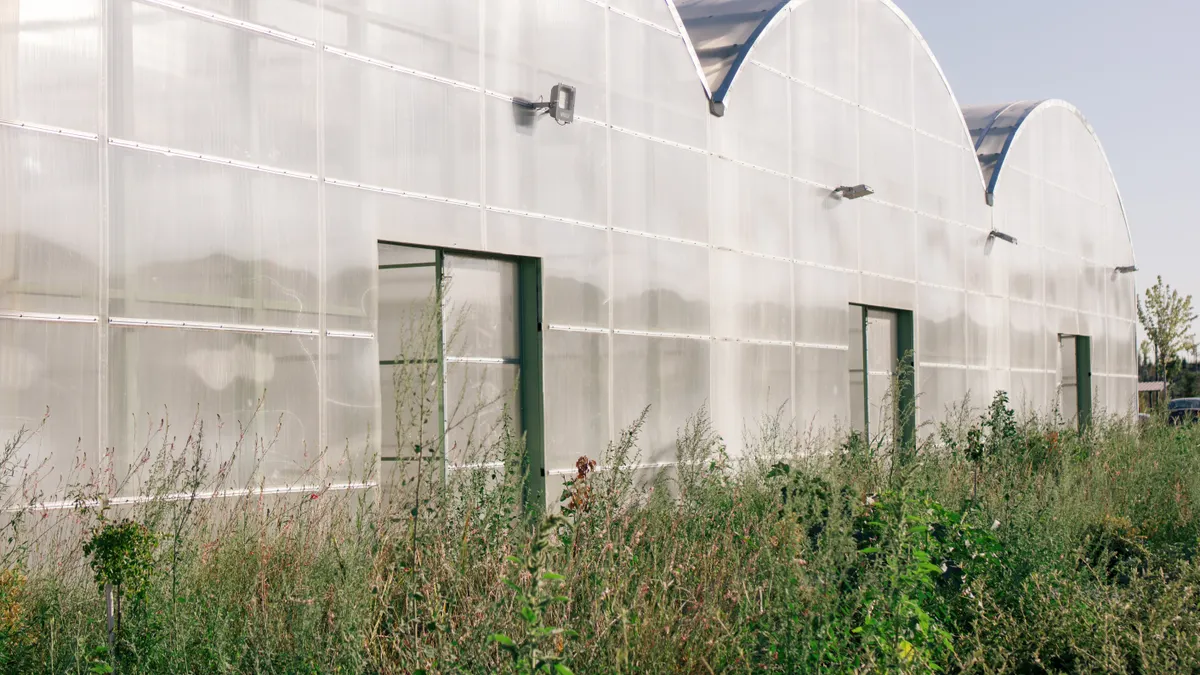
Greenhouses
If you want your plants to grow well, polycarbonate solid sheets help you build greenhouses that keep the right temperature. They let in more than 80% of sunlight, which helps plants grow strong. Polycarbonate blocks bad UV rays, so your plants stay safe. The sheets last a long time and do not need much care. You can also use them for walkways and pool covers.
Why polycarbonate works well for greenhouses:
- Lets in lots of light for plants.
- Blocks UV rays so it lasts longer.
- Light weight makes it easy to set up.
Glass can be used for greenhouses too, but it is heavier and breaks more easily. You might have to change glass panels if they crack.
Windows & Partitions
If you want windows and partitions that are strong and look good, polycarbonate solid sheets are a great choice. They are tough and do not break easily. You can use them in schools, offices, and public places where safety is important. Polycarbonate is lighter and costs less than glass. You can put it in fast and save money. Glass gives a classic look and stays clear longer. It is best for places where style matters most and safety is not a big worry.
| Feature | Polycarbonate Solid Sheet | Glass |
|---|---|---|
| Impact Resistance | Up to 250x stronger than glass | Prone to shattering |
| Light Transmission | 89% | High clarity |
| Weight | Lighter, easier installation | Heavier |
| Durability | Prone to scratching, may discolor | Maintains clarity longer |
| Applications | Security glazing, transparent roofing | Decorative windows, partitions |
Pick polycarbonate if you want safety and to save money. Pick glass if you want a classic look and clear windows for a long time.
You have two good materials to pick from. Polycarbonate solid sheet is light and very strong. It does not break easily. Glass looks nice and does not scratch much. Here is a simple chart:
| Material | Pros | Cons |
|---|---|---|
| Polycarbonate | Very clear, hard to break, easy to use | Can get scratched after some time |
| Glass | Very clear, does not scratch easily | Heavy, breaks, makes sharp pieces |
- Pick polycarbonate if you want safety and easy use.
- Pick glass if you want a classic look and less scratching.
Think about what you care about most. Is it safety, price, or how it looks? Decide what fits your needs.
FAQ
What makes polycarbonate solid sheet safer than glass?
Polycarbonate solid sheet is much stronger than glass. It does not shatter or make sharp pieces. This keeps people safe in schools and sports centers. It is a better choice for busy public places.
Can I use polycarbonate solid sheet for home windows?
You can use polycarbonate solid sheet for windows at home. It is strong and does not break easily. It keeps heat in and blocks UV rays better than glass. You get good protection and save energy.
How do I clean polycarbonate solid sheet without scratching it?
Clean polycarbonate with a soft cloth and mild soap. Use warm water to wash it gently. Do not use rough cleaners or hard brushes. Rinse it well and dry with a soft towel. This helps keep it clear and free from scratches.
Which material lasts longer outdoors: polycarbonate or glass?
Glass can last a long time if you keep it safe from hits. Polycarbonate solid sheet also lasts many years outside. It does not get damaged by sun or weather. Both work well, but polycarbonate is better for tough places.