
Direct Supply from High-Quality Acrylic Factory
Acrylic Customization Experts: One-Stop Solution
for Your Personalized Needs from Design to Finished Products
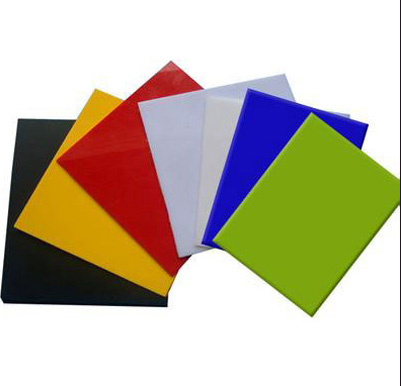
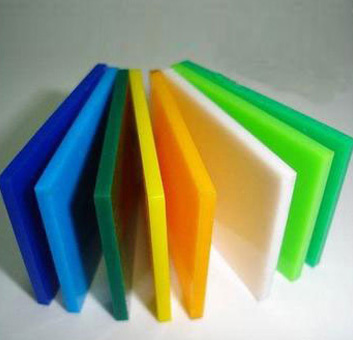
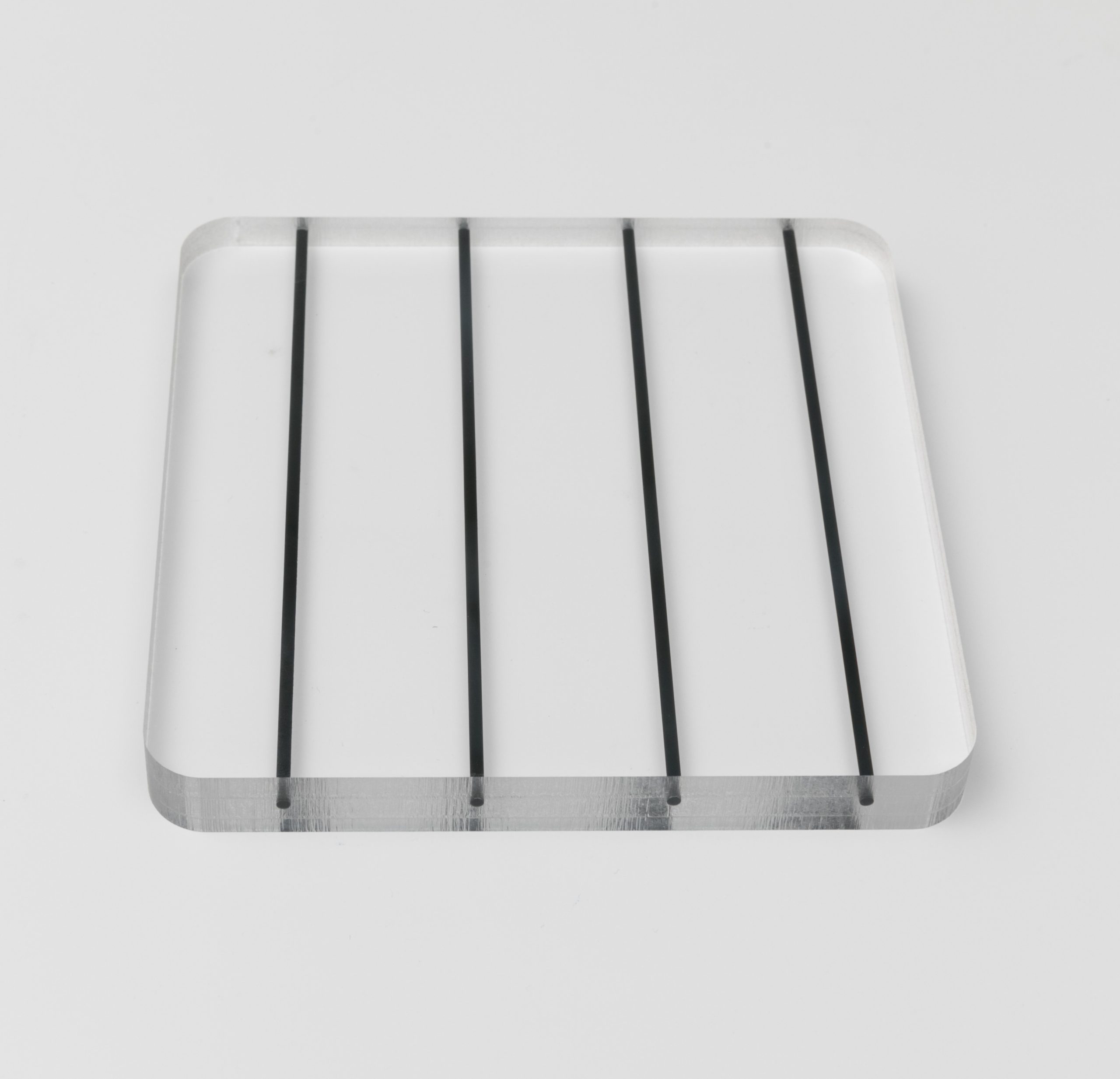
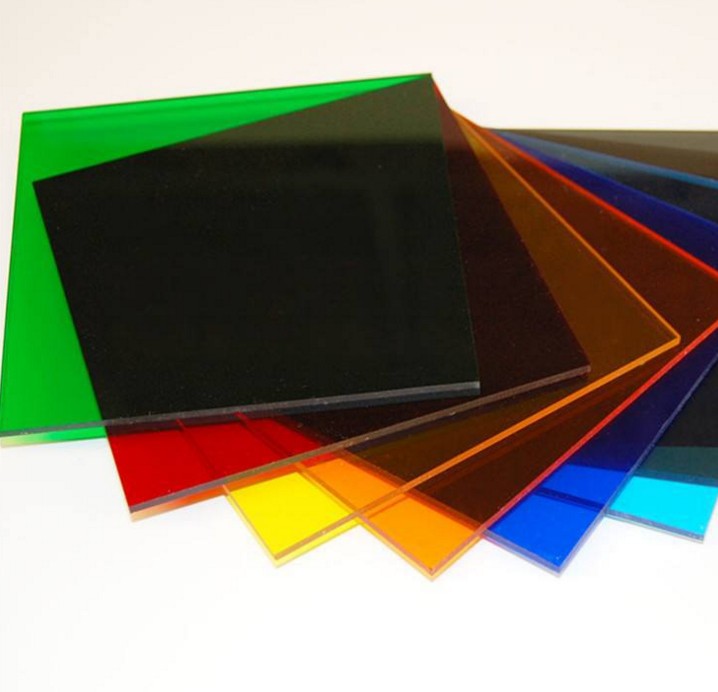
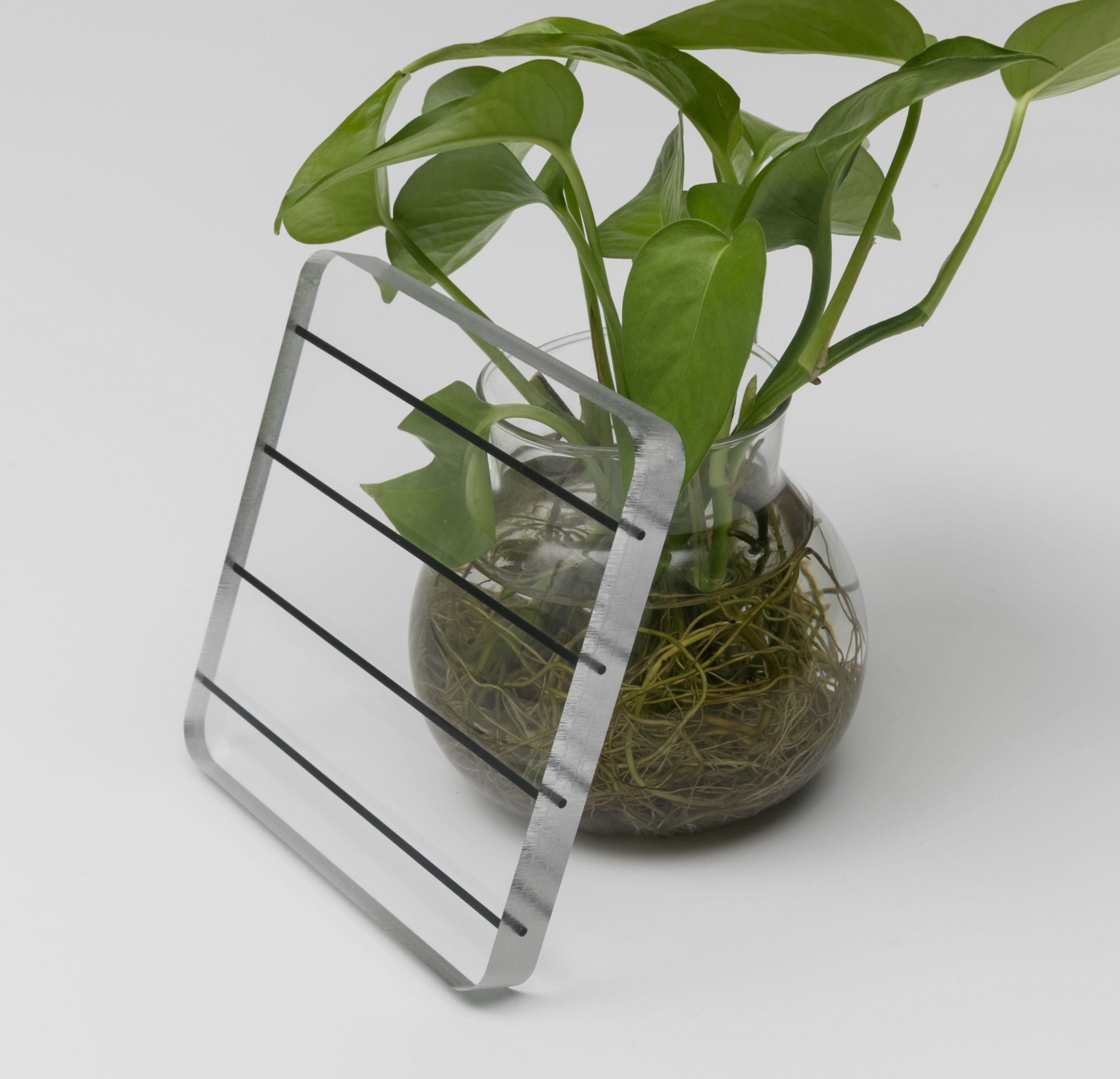
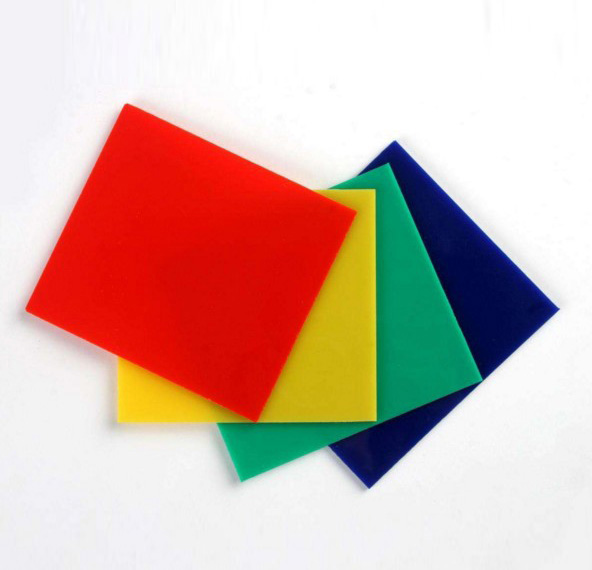
Personalized Customization
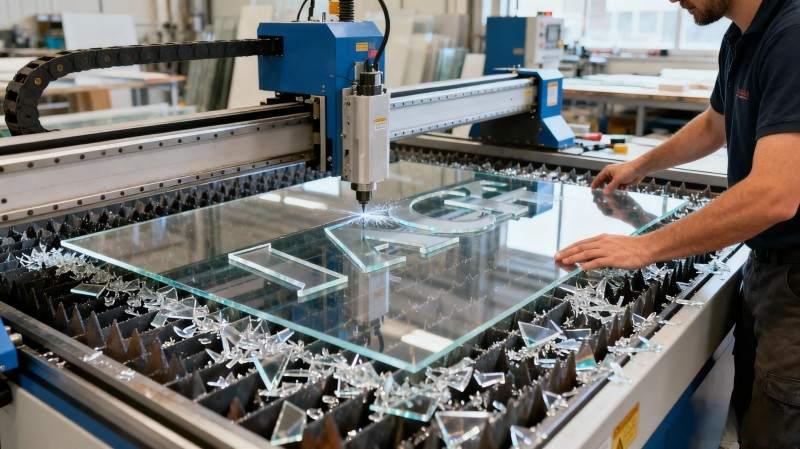
Cutting Acrylic
It is the basic step in acrylic processing, which can cut acrylic sheets into desired shapes.
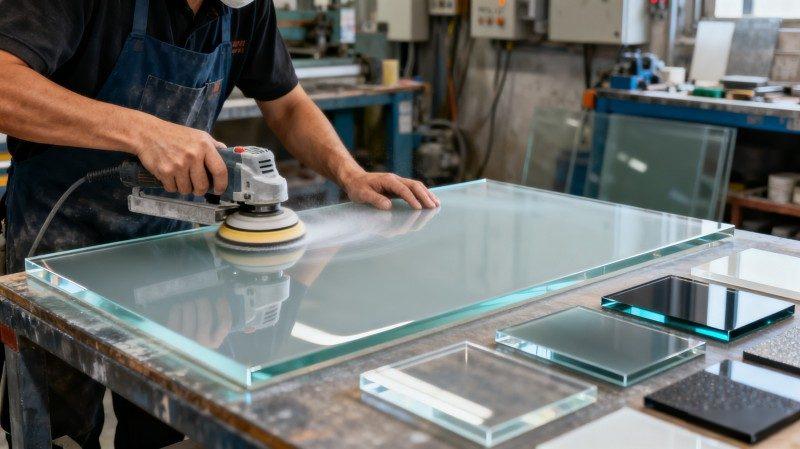
Finishing Surface
It makes the acrylic surface smoother and more beautiful through professional treatment, enhancing product texture.
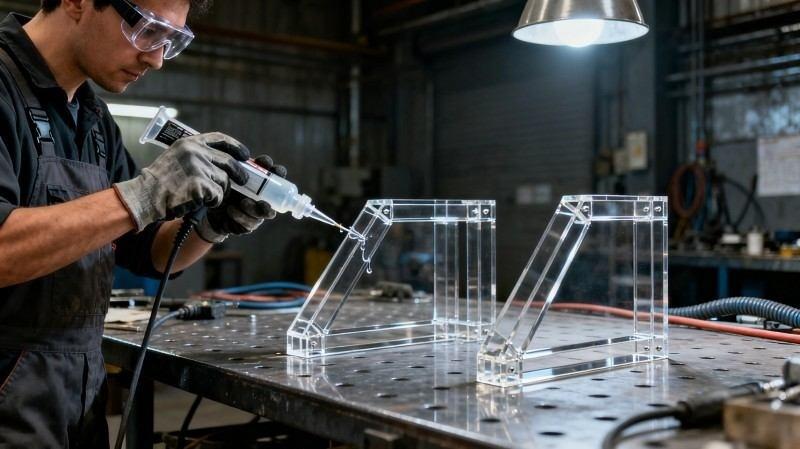
Gluing Acrylic
It can firmly bond different acrylic parts together to form a complete product.
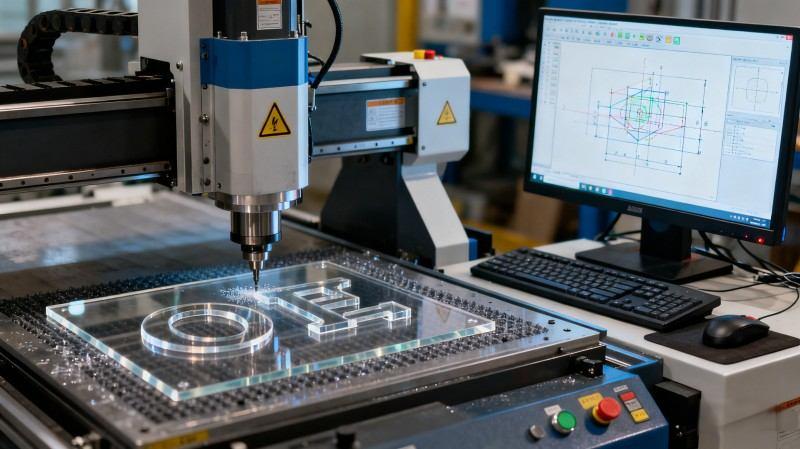
CNC Machining Acrylic
It is a high-precision processing method that can meet the processing needs of complex shapes and achieve precise manufacturing.
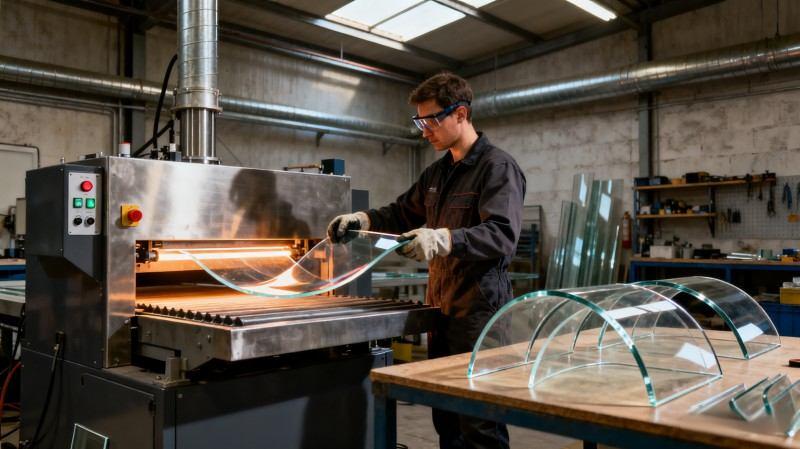
Bending Acrylic
The acrylic bending process can bend acrylic into a specific arc according to design requirements, increasing product design diversity.
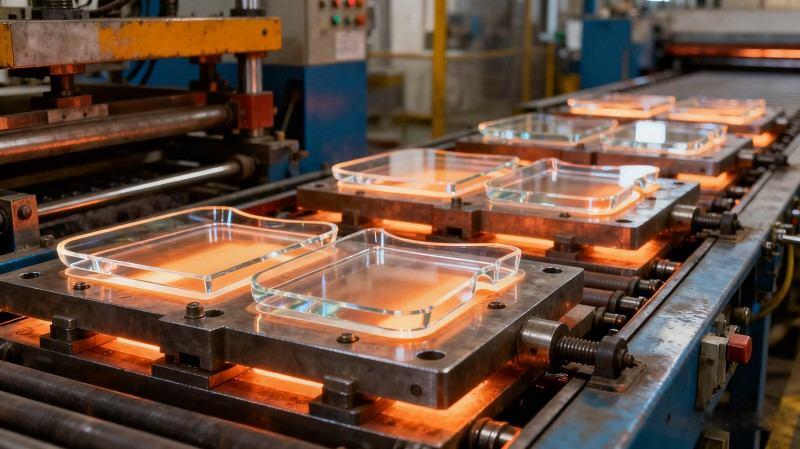
Mold Thermoforming Acrylic
It is an effective method for mass production of acrylic products with specific shapes, improving production efficiency.
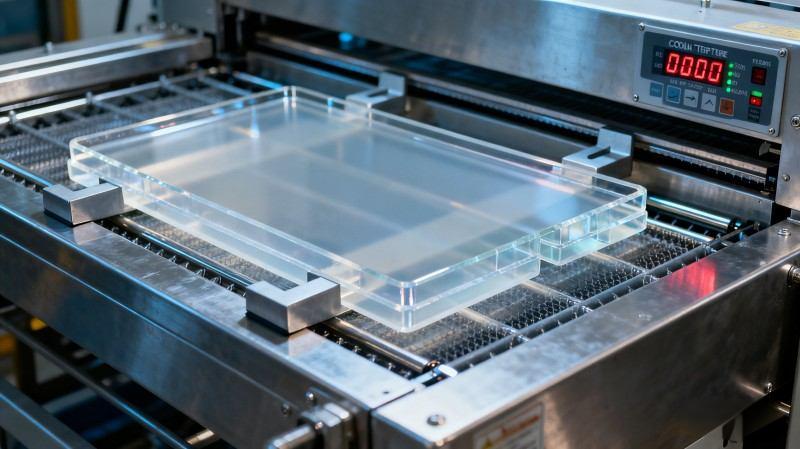
Cooling Acrylic
It is an important link in the processing process to ensure the stable shape of the formed acrylic products.
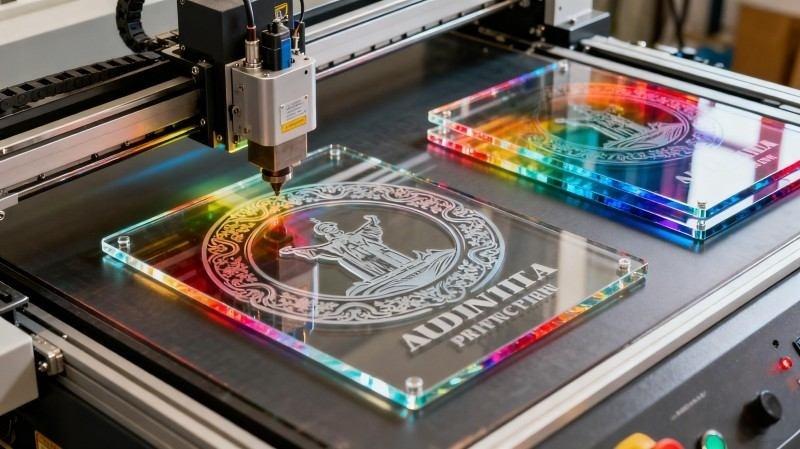
Printing Acrylic
It can print various patterns and texts on the acrylic surface to meet personalized customization needs.
Specification Of Acrylic sheet
NAILIPU Acrylic Sheet range
| Item | Model | Thickness (mm) | L x W (mm) | L x W (Ft) |
|---|---|---|---|---|
| Extruded Acrylic | NAILIPUAC-EX | From 1.5mm to 15mm | 1220 × 2440, 3000 × 2000, Custom Size | 4 x 8, Custom Size |
| Cast Acrylic | NAILIPUAC-CA | From 1.8mm to 50mm | 1220 × 2440, 3000 × 2000 | 4 x 8 |
| Clear Acrylic | NAILIPUAC-xx-CL | From 1.8 mm to 50 mm | 1220 × 2440, 3000 × 2000 | 4 x 8 |
| Colored Acrylic | NAILIPUAC-xx-CO | From 1.8 mm to 50 mm | 1220 × 2440, 3000 × 2000 | 4 x 8 |
| Infrared Transmitting Acrylic | NAILIPUAC-IRT | From 0.63mm to 3mm | 1080 × 1190 | / |
| Acrylic Block | NAILIPUAC-BL | From 51mm to 500mm | 1220 × 2440, 3000 × 2000 | 4 x 8 |
NAILIPU Acrylic sheet Physical Properties
| Properties | Unit | Value |
|---|---|---|
| Density (clear arcylic) | g/cm^3 | 1.19 |
| Tensile Strength | Mpa | >70 |
| Charpy impact strength (unnotched) | KJ/m^2 | >13 |
| Tension Modulus of Elasticity | Mpa | >3000 |
| Tensile Strain at break | % | >4 |
| Flexural strength | Mpa | 100 to 115 |
| Charpy impact strength (unnotched) | kj/m^2 | >17 |
| Vicat softening temperature | °C | >105 |
| Dimensional change on heating (shrinkage) | % | <2.5 |
| Total luminous transmittace | % | >90 |
| Rockwell hardness | 100 to 115 | |
| Linear expansion coefficient | K^ -1 | 7×10^-5 |
| Temperature of deflection under load | °C | 95 to 100 |
| Light transmittance | % | >90 |
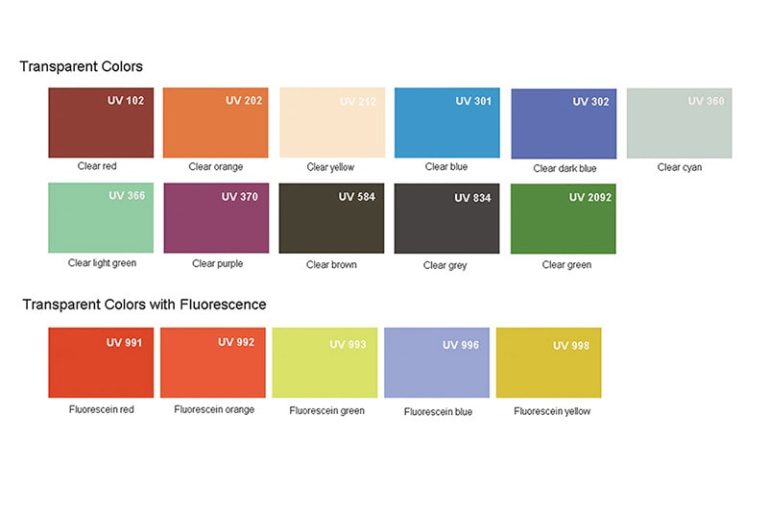
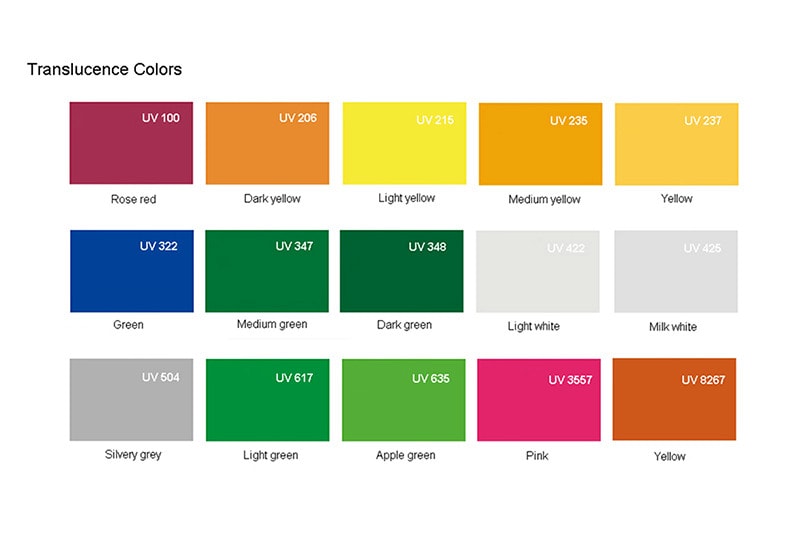
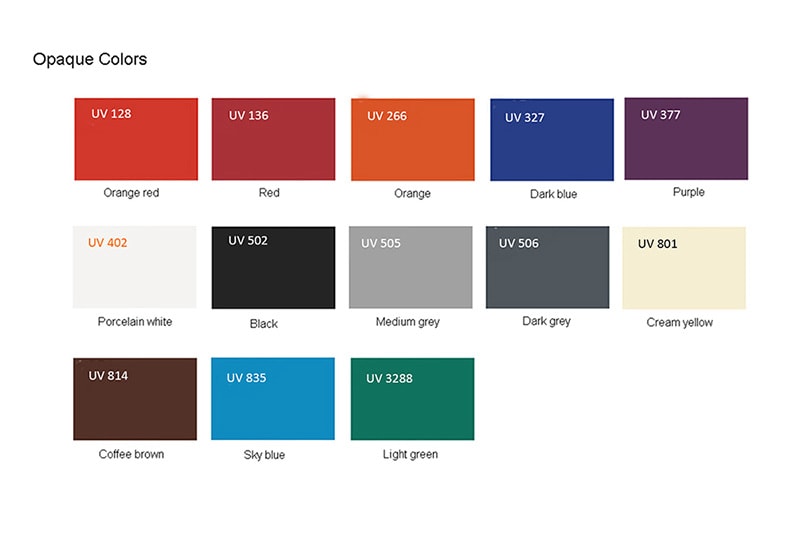
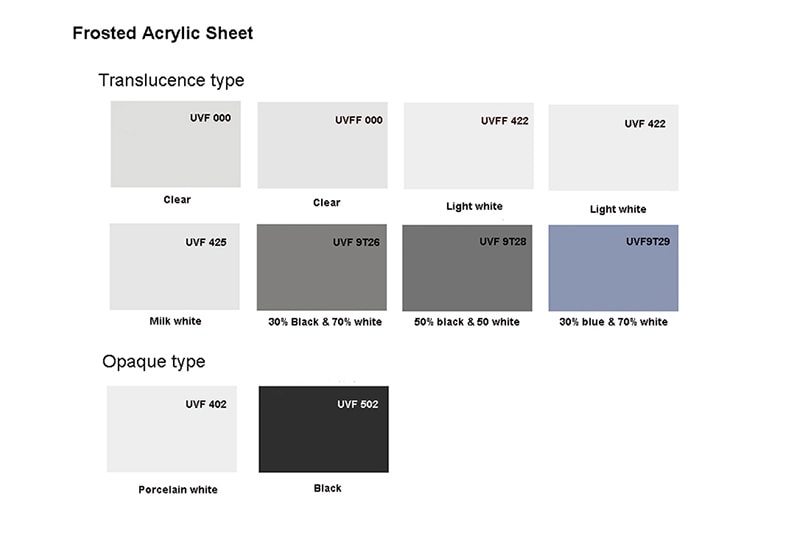
Customizable Acrylic Color Options
Frequently Asked Questions
What is the main chemical composition of acrylic sheets, and how does it differ from polycarbonate?
A:Acrylic sheets are mainly composed of polymethyl methacrylate (PMMA). Unlike polycarbonate (PC) which has better impact resistance, PMMA has higher light transmittance and surface gloss, but lower toughness.
What is the light transmittance of acrylic sheets, and how does it compare to glass?
A:The light transmittance of clear acrylic sheets is up to 92%–93%, which is higher than ordinary float glass (about 85%–90%). It also has uniform light diffusion, avoiding glare caused by glass reflection.
What is the temperature resistance range of acrylic sheets? Can they be used in high-temperature environments?
A:Its continuous use temperature range is -40℃ to +80℃, and the thermal deformation temperature is about 90℃–100℃. It is not suitable for long-term use in environments exceeding 80℃, as it may soften or deform.
Are acrylic sheets UV-resistant? What is their service life outdoors?
A:Ordinary acrylic sheets are prone to yellowing and aging when exposed to UV rays for a long time. UV-resistant acrylic sheets (with UV-stabilized additives) can resist UV erosion, with an outdoor service life of 5–8 years.
How to process acrylic sheets? What common processing methods are available?
A:It supports multiple processing methods, including 1. Cutting (laser cutting, sawing); 2. Forming (thermoforming, bending); 3. Surface treatment (polishing, screen printing, engraving); 4. Bonding (using acrylic special adhesive for seamless bonding).
What is the scratch resistance of acrylic sheets? How to improve their scratch resistance?
A:Its surface pencil hardness is about 2H, which is poor in scratch resistance. To improve it, two methods are commonly used: 1. Coating (spraying hard coating to increase hardness to 3H–4H); 2. Laminating (covering with protective film during use and processing).
What are the fire performance and fire rating of acrylic sheets?
A:Acrylic sheets are flammable materials, and their combustion will produce smoke and harmful gases. Most ordinary acrylic sheets have a fire rating of Class B2 (GB standard) or UL94 HB, which is not suitable for high-fire-safety scenarios.
What are the differences between cast acrylic sheets and extruded acrylic sheets?
A:The core differences lie in production process and performance:
| Item | Cast Acrylic Sheet | Extruded Acrylic Sheet |
|---|---|---|
| Production Process | Casting in molds | Extrusion through dies |
| Thickness Tolerance | Small (±0.1mm) | Large (±0.2–0.5mm) |
| Mechanical Strength | Higher, better for carving | Lower, suitable for mass production |
| Cost | Higher | Lower |
What industries and scenarios are acrylic sheets most suitable for?
A:It is widely used in 1. Advertising industry (light boxes, signboards, letter making); 2. Decoration industry (display shelves, decorative panels, acrylic furniture); 3. Electronics industry (display screens, protective covers); 4. Crafts industry (customized ornaments, display models).
How to maintain acrylic sheets daily? What precautions should be taken?
A:Daily maintenance should follow these rules: 1. Cleaning: Use a soft cloth and neutral detergent; avoid abrasive cleaners or hard tools. 2. Avoidance: Keep away from high temperature and sharp objects; prevent long-term direct sunlight for non-UV-resistant sheets. 3. Repair: Minor scratches can be polished with fine sandpaper to restore smoothness.
Your Trusted Partner for Acrylic Products in China
Click on the button, you will find the Trustworthy Supplier Of Polycarbonate Sheet/Acrylic Sheet/PC Film or PC Roll /Machining services.

